
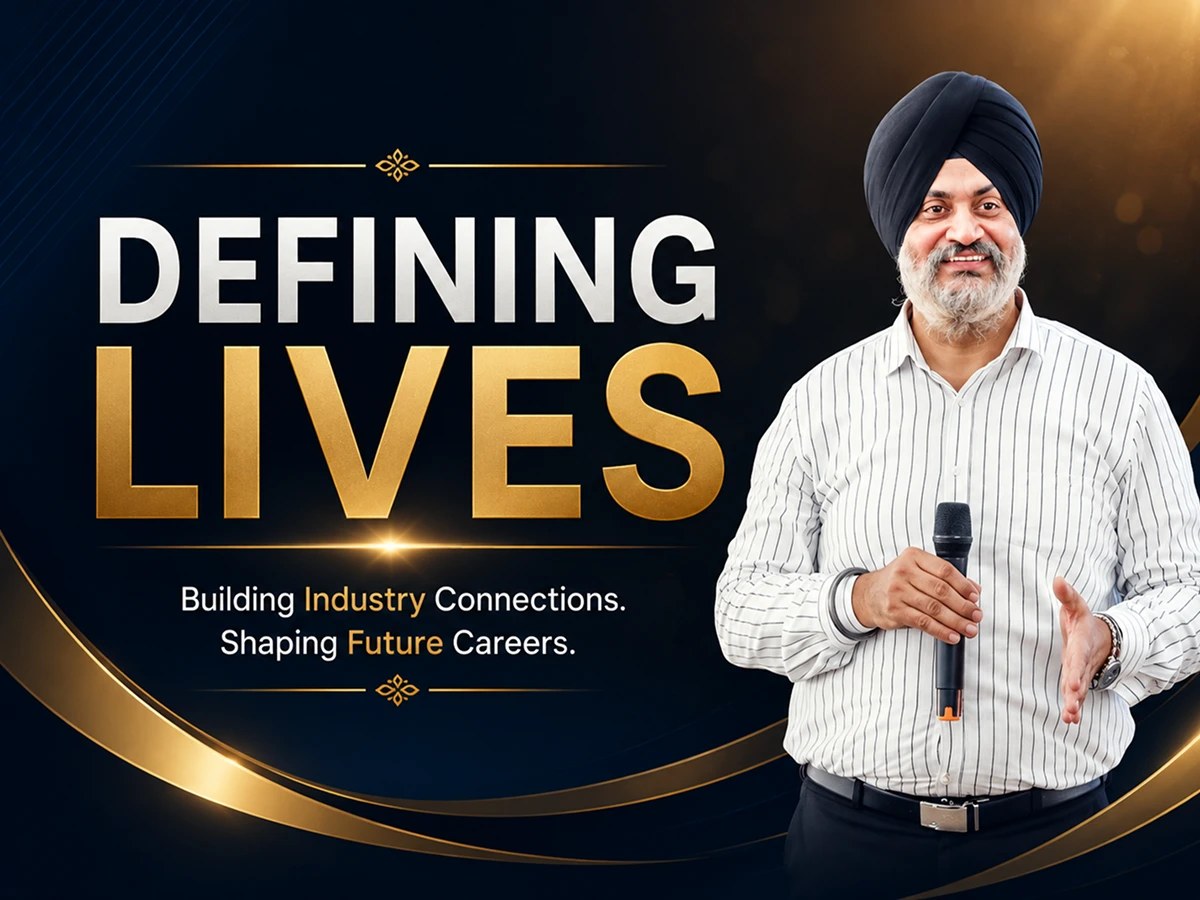

















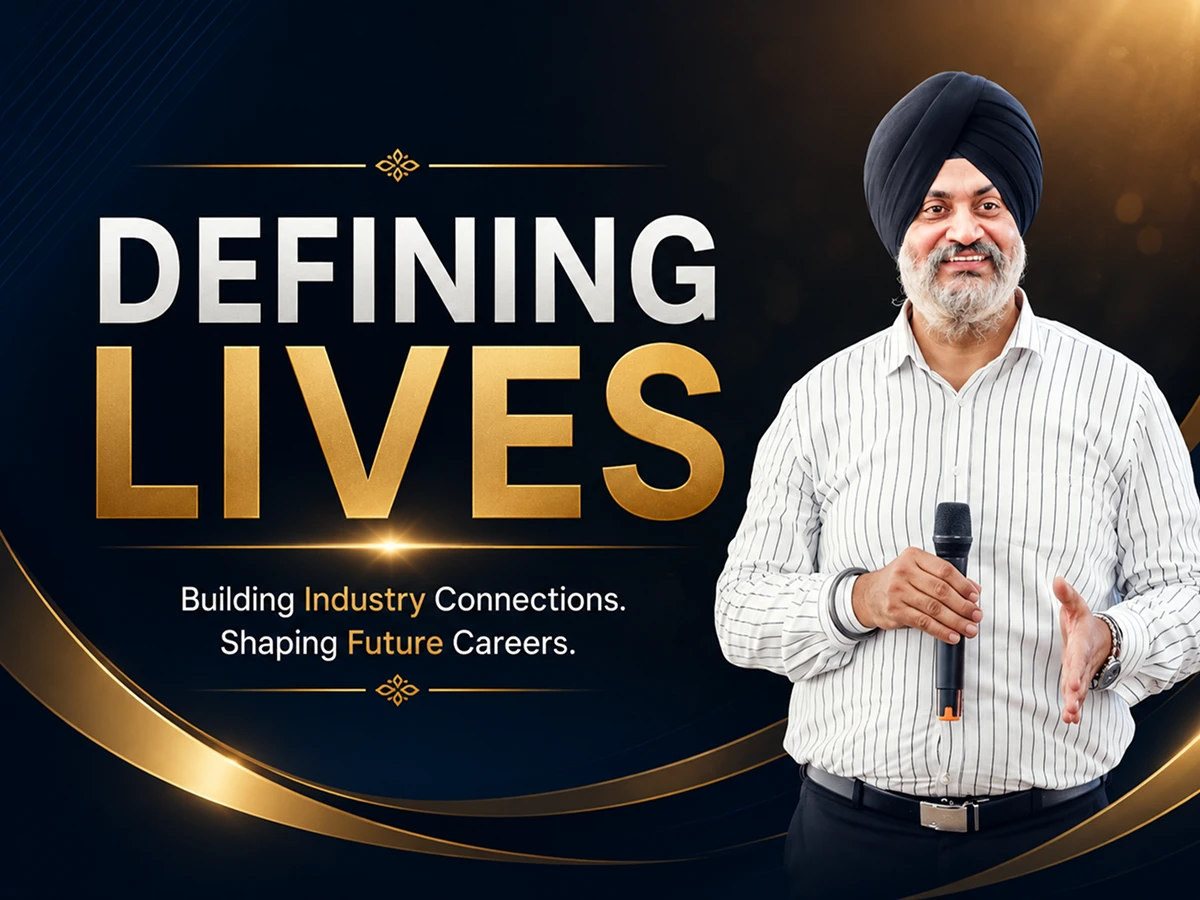
In conversation with Gurpal Singh on strengthening the industry–academia ecosystem in today’s rapidly changing job market and shaping modern education
Gurpal Singh
Dean - Industry Relations
Raisoni Group of institutions
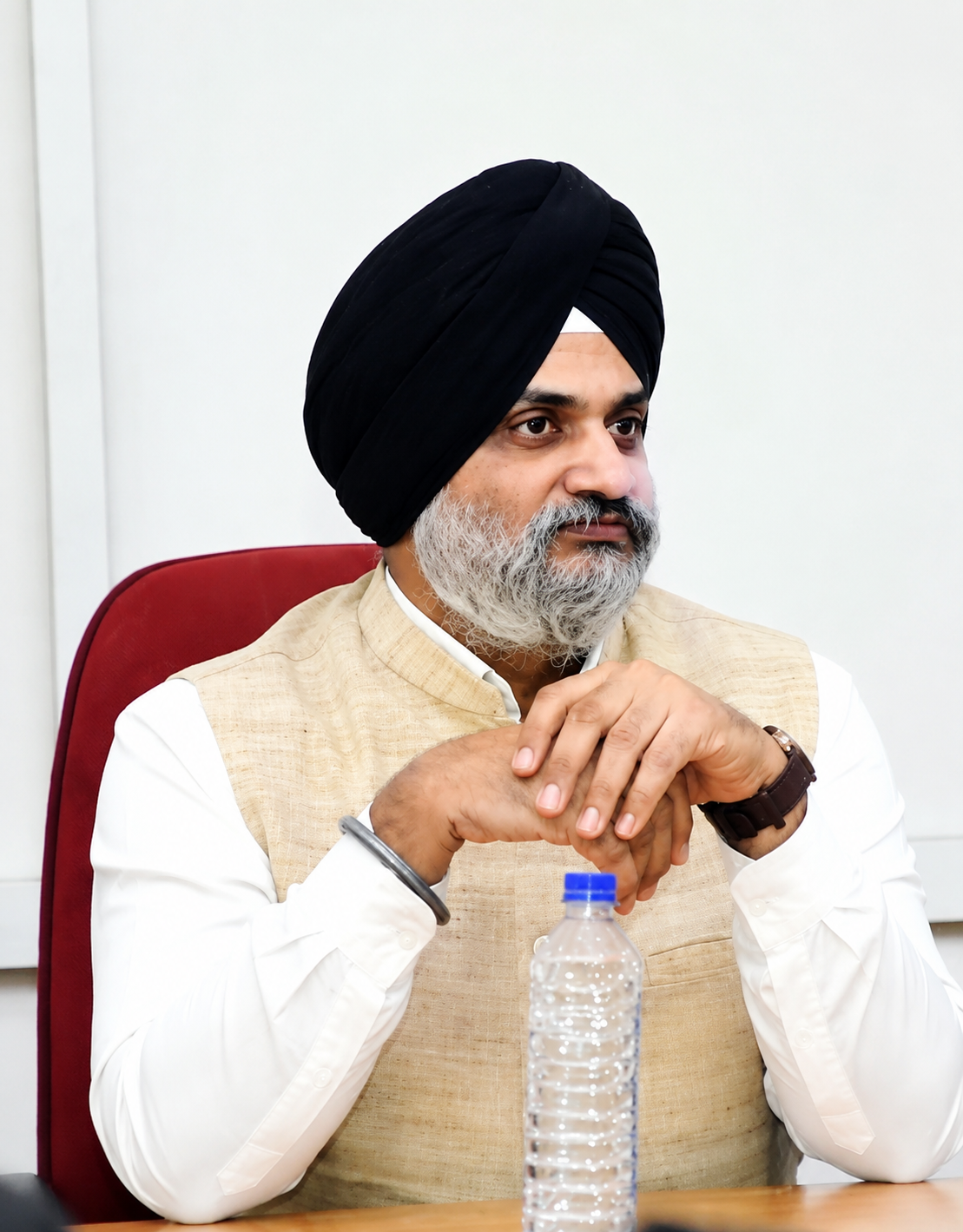
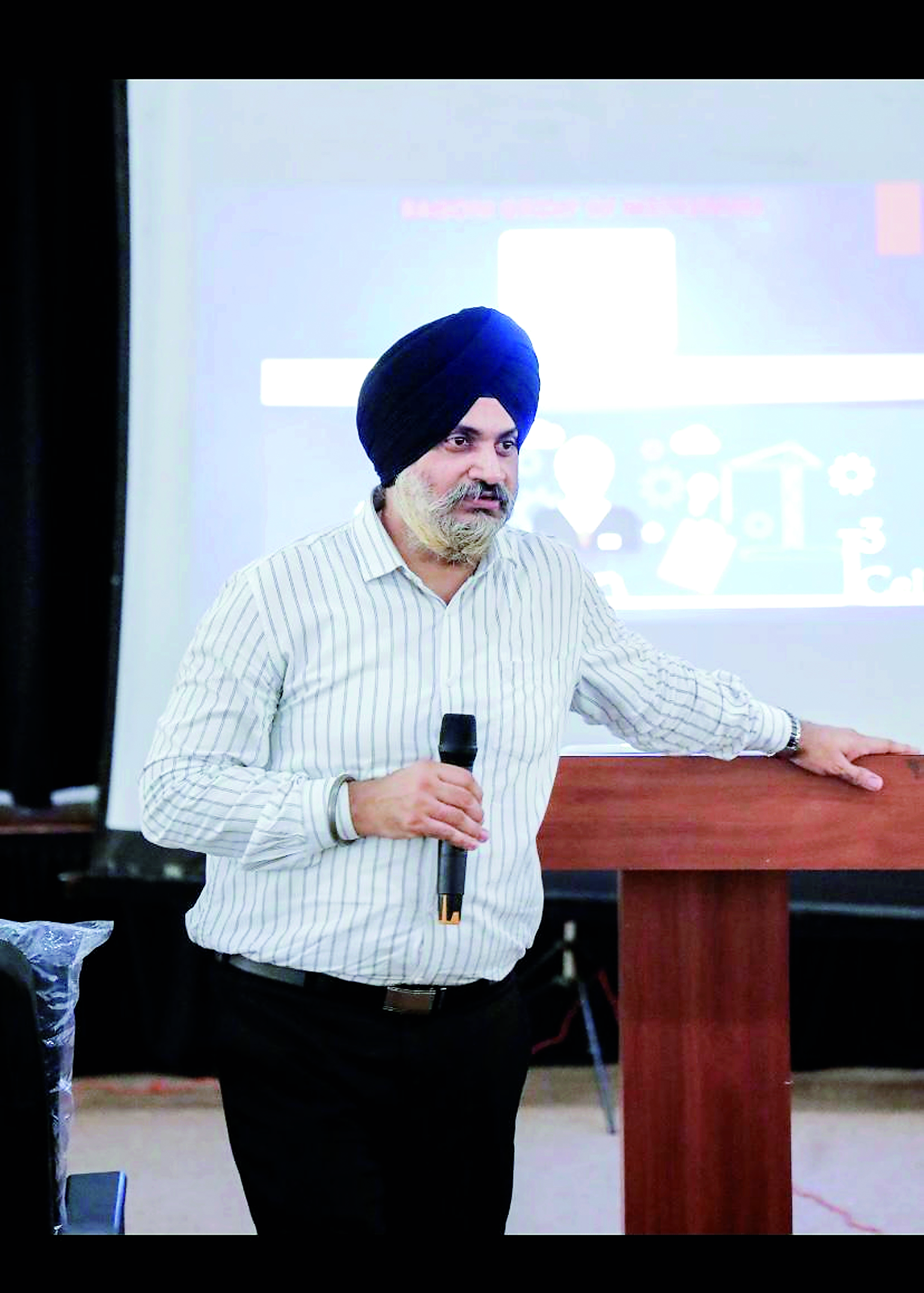
Mr. Gurpal Singh is a distinguished academic leader and industry relations expert with over 30 years of professional experience in higher education, including 18+ years of specialized expertise in Training & Placement, Corporate Relations, and Career Development. As Dean – Industry Relations, Raisoni Group of Institutions, he has been instrumental in strengthening industry–academia partnerships, fostering collaborations with leading national and multinational organizations, and creating transformative placement and internship opportunities for thousands of students. His expertise spans campus recruitment strategy, employability enhancement, corporate networking, skill development, and institutional collaborations. Having served esteemed institutions such as IMT Nagpur and VNIT Nagpur, Mr. Singh is widely recognized for his visionary leadership, strategic planning, and unwavering commitment to preparing students for successful careers while enhancing institutional excellence and industry engagement.
With over 30 years of experience in higher education and industry relations, how has the landscape of campus placements evolved, and what key changes have you witnessed?
Over the past three decades, I have witnessed a remarkable transformation in the campus placement ecosystem. Earlier, recruitment was largely driven by academic scores, basic technical knowledge & a limited number of core recruiters. Today, the hiring landscape is far more dynamic, competitive & technology driven.
Recruiters now evaluate candidates on multiple dimensions, including problem-solving ability, communication skills, adaptability, emotional intelligence, digital literacy & cultural fit. The emergence of AI, automation, analytics, cybersecurity, cloud computing & Industry 4.0 has significantly changed hiring expectations.
Another major shift is the increasing importance of internships, live projects, certifications, hackathons, & experiential learning. Companies now prefer candidates who can demonstrate practical exposure rather than theoretical knowledge alone. Campus placements have evolved from being an annual recruitment activity to a year round process involving continuous engagement between academia and industry.
As Dean – Industry Relations at Raisoni Group of Institutions, what is your vision for strengthening the industry–academia ecosystem in today’s rapidly changing job market?
My vision is to create an ecosystem where industry academia function as strategic partners rather than separate entities. Educational institutions must continuously align their curriculum, training methodologies, & learning outcomes with evolving industry requirements.
At Raisoni Group of Institutions, we focus on strengthening industry collaborations through internships, live industry projects, guest lectures, HR conclaves, faculty development programs, research partnerships, corporate mentoring & continuous recruiter engagement.
Our objective is not merely to produce graduates but to develop industry ready professionals who possess technical competence, professional ethics, leadership qualities & the ability to learn continuously throughout their careers.
Having built relationships with hundreds of leading companies, what qualities do recruiters value most in fresh graduates today beyond academic performance?
While academic performance continues to be important, it is no longer the sole deciding factor. Recruiters today seek candidates who demonstrate curiosity, adaptability, willingness to learn & the ability to solve real world problems.
Strong communication skills, teamwork, professionalism, integrity, accountability, analytical thinking & a positive attitude are equally important. Companies appreciate candidates who can work collaboratively, embrace change & contribute effectively from the very beginning.
In today’s environment, recruiters hire for attitude and potential as much as they hire for technical knowledge.
Internships often serve as the first step toward employment. How can students make the most of internship opportunities to secure Pre-Placement Offers (PPOs)?
Students should treat internships exactly like a full-time job rather than a short academic requirement. They must demonstrate punctuality, ownership, professionalism, curiosity, and a willingness to take initiative. Asking thoughtful questions, seeking regular feedback, documenting achievements, collaborating effectively, and consistently delivering quality work significantly increase the chances of receiving a PPO.
Companies observe not only technical competence but also work ethics, attitude, and the ability to integrate into their organizational culture.
You have successfully facilitated placements and internships for thousands of students. What do you believe are the three most important factors that contribute to placement success?
In my experience, placement success depends primarily on three factors.
First, consistent skill development throughout the academic journey rather than preparing only during the final year.
Second, continuous participation in internships, industry projects, certifications, coding platforms, competitions & practical learning opportunities that strengthen employability.
Third, maintaining discipline, professionalism, confidence & resilience. Students who remain committed to continuous improvement & learn from every interview experience ultimately achieve success.
Placements are not a one day event they are the outcome of years of preparation.
Campus Recruitment Training (CRT) has become an essential component of employability. What are the key elements of an effective CRT program, and how can institutions maximize its impact?
An effective Campus Recruitment Training program should be comprehensive, structured & aligned with current recruitment practices. It should include aptitude training, logical reasoning, verbal ability, communication skills, technical preparation, coding practice, group discussions, mock interviews, resume building, LinkedIn profiling, corporate etiquette, and personality development.
Equally important is continuous assessment through mock recruitment drives, individual feedback, and performance analytics. Institutions should involve industry experts, HR professionals, and alumni to ensure the training reflects real hiring expectations.
CRT should begin from the first or second year instead of the final semester, allowing students sufficient time to develop competencies gradually.
With the rise of AI, automation, and emerging technologies, how should educational institutions prepare students for careers that may not even exist today?
Educational institutions must shift their focus from teaching only existing technologies to developing future-ready learners.
Students should be encouraged to build strong foundations in critical thinking, creativity, innovation, digital literacy, data interpretation, ethical AI usage, entrepreneurship, and lifelong learning. Institutions must continuously update curricula, establish Centers of Excellence, encourage interdisciplinary learning, and integrate emerging technologies into regular teaching.
The future belongs not to those who know everything but to those who can continuously learn, adapt, and reinvent themselves.
You have organized numerous mega placement drives, HR conclaves, and recruiter engagement programs. Which initiative has had the most significant impact on student careers, and why?
Among various initiatives, large-scale integrated placement drives combined with continuous recruiter engagement have had the most significant impact.
These initiatives bring together multiple organizations from diverse sectors, providing students with wider career opportunities while enabling companies to access quality talent efficiently. Our HR Conclaves have also played a vital role by strengthening industry partnerships, facilitating knowledge exchange, and helping institutions understand emerging recruitment trends.
These platforms create long-term collaborations rather than one-time recruitment events, benefiting students, institutions, and employers alike.
What common mistakes do students make during the placement process, and what practical advice would you give to help them avoid these pitfalls?
Many students underestimate the importance of consistent preparation and begin focusing on placements only during their final semester. Other common mistakes include poorly prepared resumes, weak communication skills, lack of company research, inconsistent attendance during training sessions, overconfidence, and inadequate interview practice.
My advice is simple: start preparing early, remain disciplined, actively participate in every training opportunity, maintain a professional digital presence, and treat every interview as a learning experience. Persistence and preparation always outperform last-minute efforts.
In your experience, how important are soft skills, communication, and professional attitude in comparison to technical knowledge during recruitment?
Technical knowledge may help candidates qualify for interviews, but soft skills often determine who ultimately gets selected.
Excellent communication, teamwork, leadership, adaptability, professionalism, emotional intelligence, and ethical behavior enable employees to perform effectively in modern organizations. Companies can train employees on specific technologies, but developing attitude, integrity, and interpersonal effectiveness requires continuous personal development.
The ideal candidate combines technical competence with outstanding professional behavior.
What strategies can educational institutions adopt to build stronger and more sustainable partnerships with industry leaders?
Institutions should focus on creating mutually beneficial partnerships instead of transactional relationships.
Regular industry interactions, curriculum advisory boards, joint research, faculty immersion programs, internships, live consulting projects, sponsored laboratories, innovation centers, entrepreneurship initiatives, and alumni engagement help strengthen long-term collaboration.
Maintaining continuous communication with recruiters, acting upon their feedback, and consistently producing quality talent builds credibility and trust over time.
Looking ahead, what emerging sectors and job roles do you believe will create the greatest employment opportunities for students over the next five years?
The coming years will offer tremendous opportunities in Artificial Intelligence, Machine Learning, Data Science, Cybersecurity, Cloud Computing, Semiconductor Technology, Electric Vehicles, Renewable Energy, Robotics, Internet of Things, Digital Healthcare, FinTech, AgriTech, Logistics Technology, Smart Manufacturing, and Sustainability.
In addition, roles related to AI governance, prompt engineering, cybersecurity consulting, business analytics, automation engineering, digital transformation, ESG compliance, and product management are expected to witness substantial growth.
Students should develop multidisciplinary skills that combine technology, business understanding, and communication.
As someone deeply committed to student development and career readiness, what message would you like to share with students aspiring to build successful and meaningful careers?
Never stop learning.
Your degree is only the beginning of your professional journey. Develop curiosity, embrace challenges, remain humble, and continuously upgrade your skills. Success is not determined by where you start but by your willingness to improve every single day.
Build your character alongside your career. Integrity, discipline, resilience, empathy, and a positive attitude will open doors that technical expertise alone cannot.
Remember, opportunities are created through preparation, perseverance, and purpose.
If you could introduce one transformative change in India’s higher education and placement ecosystem, what would it be, and how would it benefit students, institutions, and industry alike?
If I could introduce one transformative reform, it would be the complete integration of industry experience into every stage of higher education.
Every student should undergo structured internships, industry projects, mentoring by corporate professionals, skill certifications, and experiential learning from the very first year. Industry participation should become an integral part of curriculum design, assessment, and career development. Such a model would significantly reduce the skill gap, improve graduate employability, enhance innovation, strengthen industry confidence in academic institutions, and create a workforce that is future-ready, globally competitive, and capable of driving India’s economic growth.