









































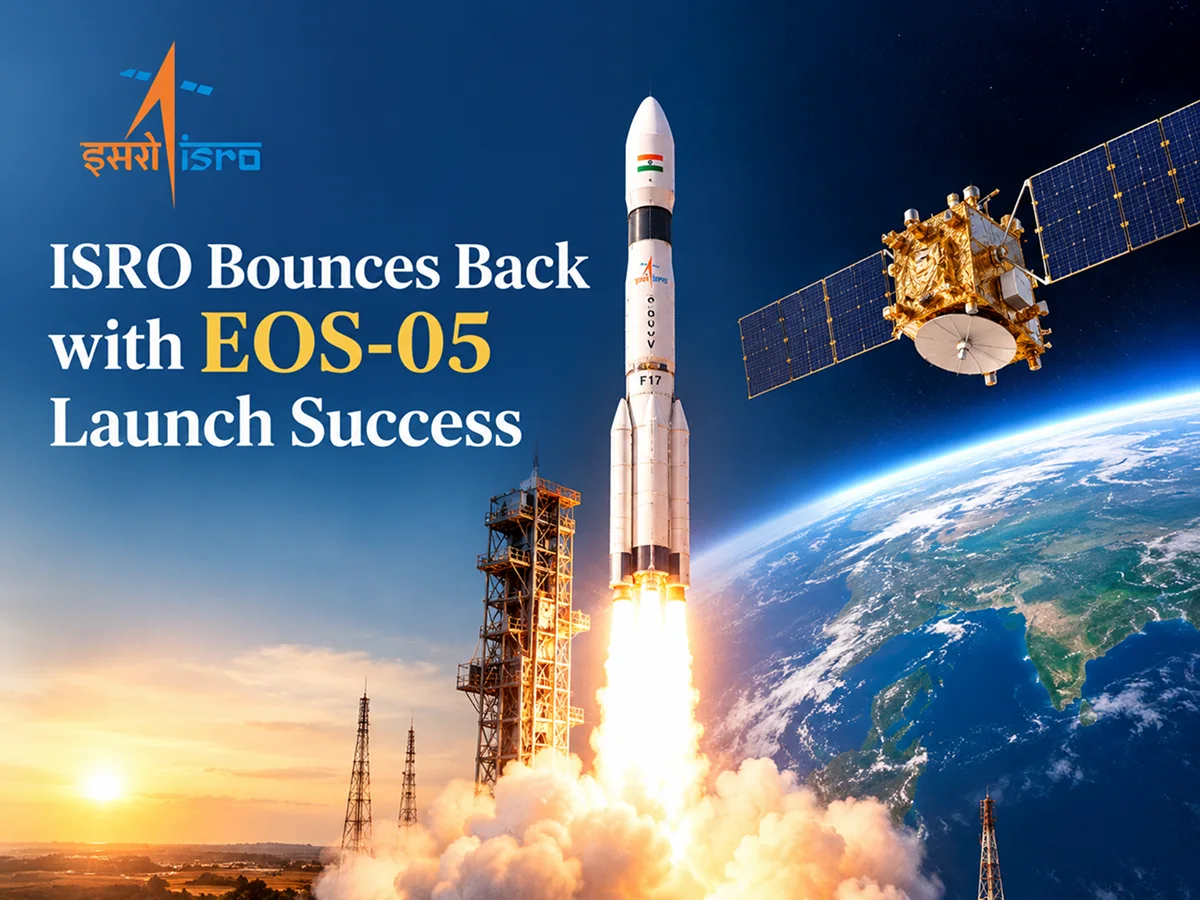
After a period of failures that shook its confidence, the space agency of India staged an important come-back towards the beginning of September. This time ISRO managed to successfully deploy the EOS-05 Earth observation satellite on board the GSLV-F17 rocket, thereby closing a gap of seven months in launching activities and marking the start of successful operations in 2019. The EOS-05 is by far the heaviest satellite that ISRO has put into orbit with a GSLV rocket and it has been placed in a sub-geosynchronous transfer orbit before being boosted into its operational orbit some 36,000 kilometers away from Earth through its own propulsion system. While most Earth observation satellites travel in low orbits around the Earth and they can see the same spot only at certain times, the EOS-05 will be positioned in a geostationary-style orbit and will be able to observe a certain region continuously. With its capabilities, EOS-05 is important for monitoring weather conditions such as cyclones and floods in real time as well as forest fires.
Chairman of ISRO V.Narayanan said this was a hard-won achievement since there are still six more launches planned during the financial year, which will include a new generation navigation satellite and preparation for the first unmanned mission of Gaganyaan.