




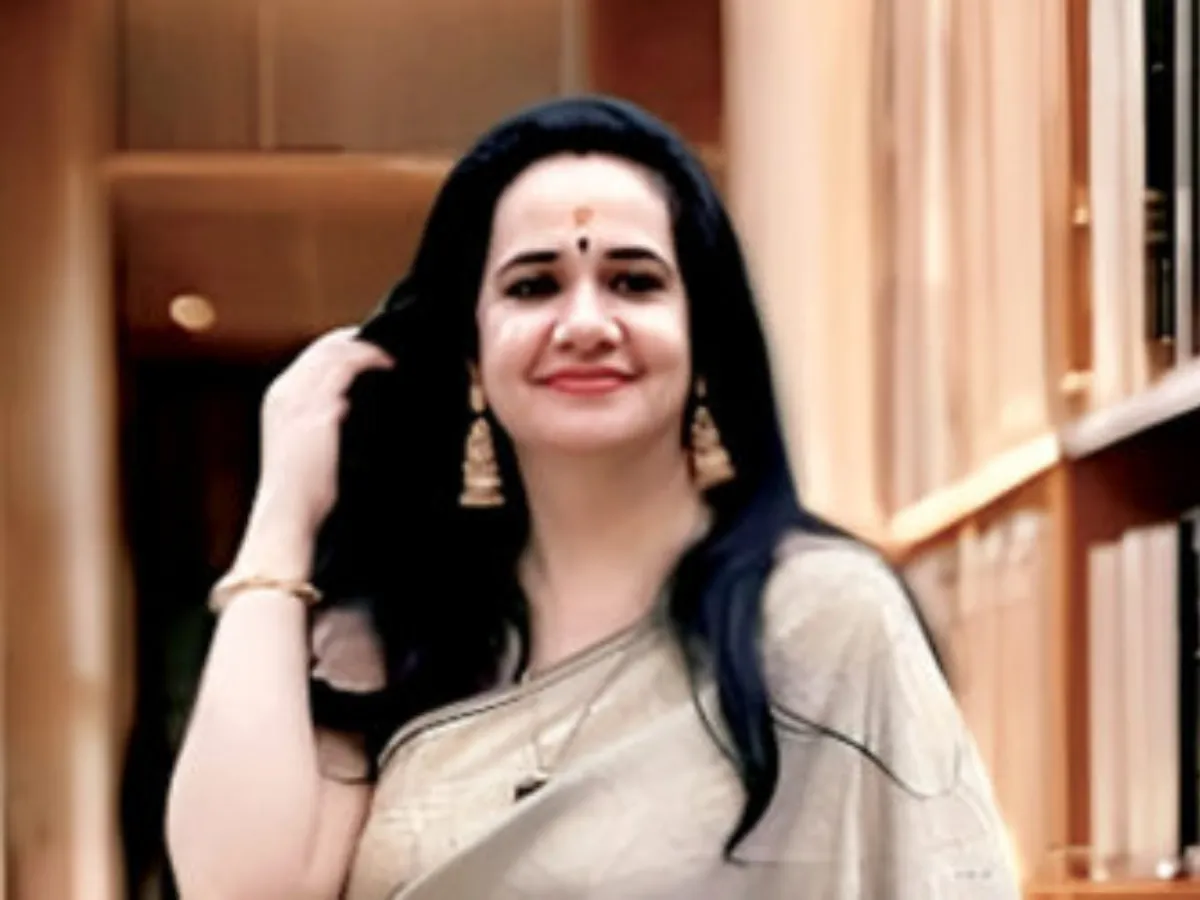














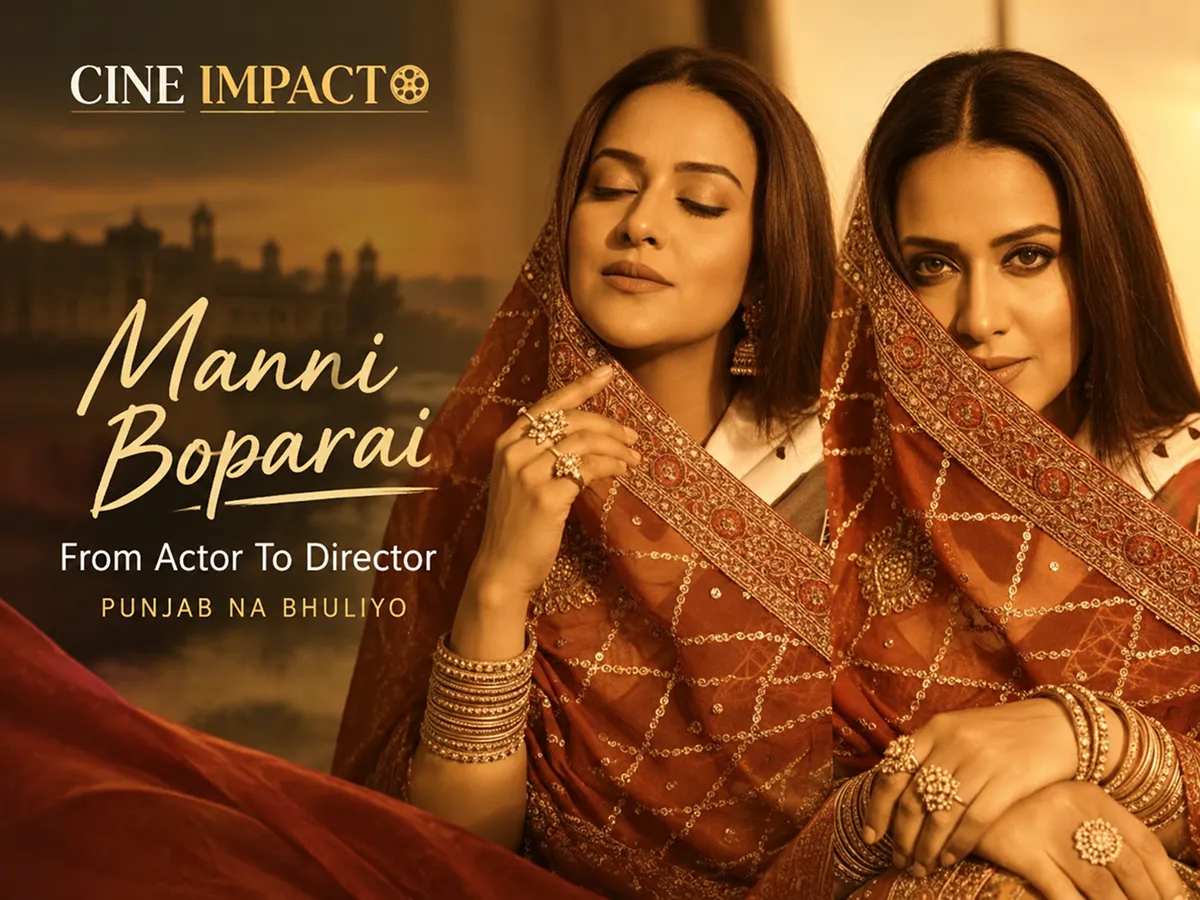
An exclusive interview of Actor and Director Maani Bhoperoi
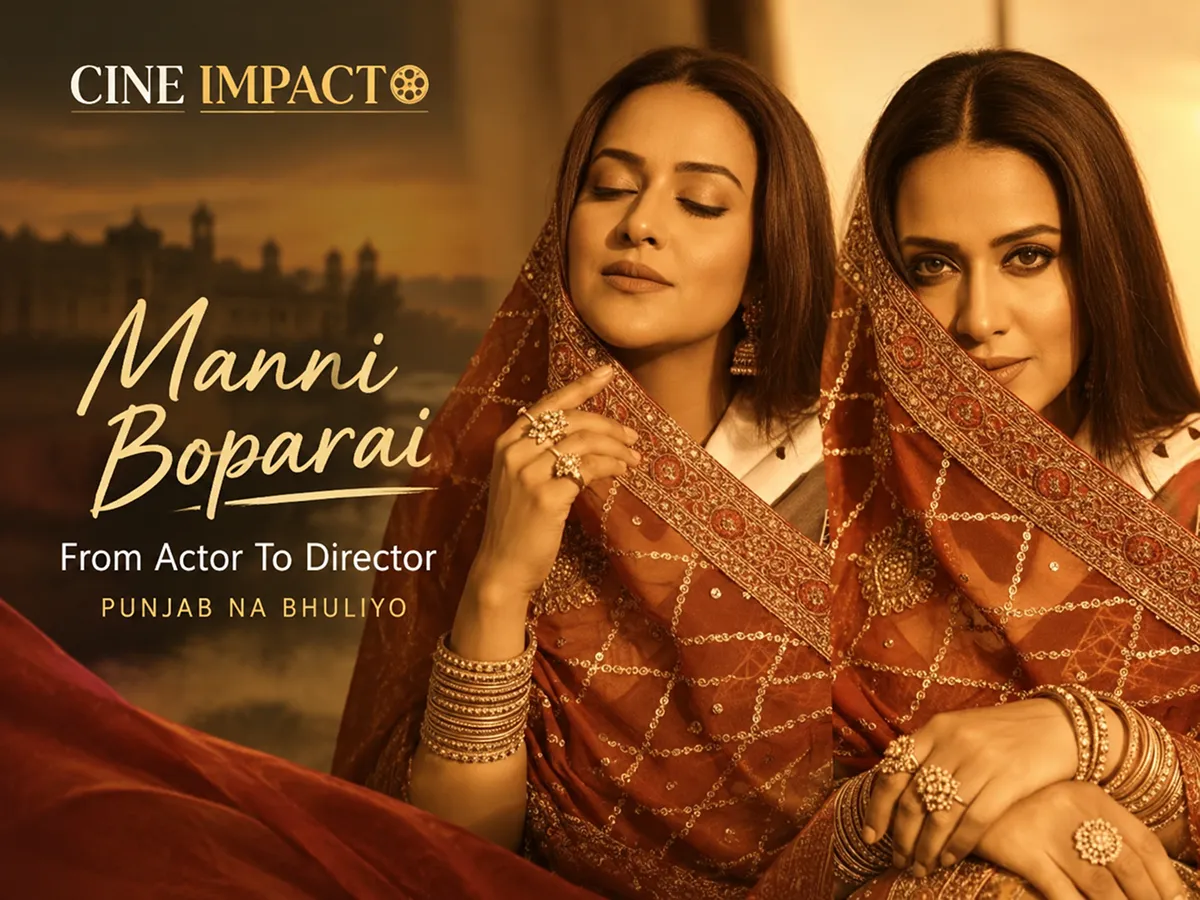
From Actor To Director: Guiding Performances With Honesty And Heart In 'Punjab Na Bhuliyo'
Never Forget Your Roots: A Message To The Youth Through 'Punjab Na Bhuliyo'
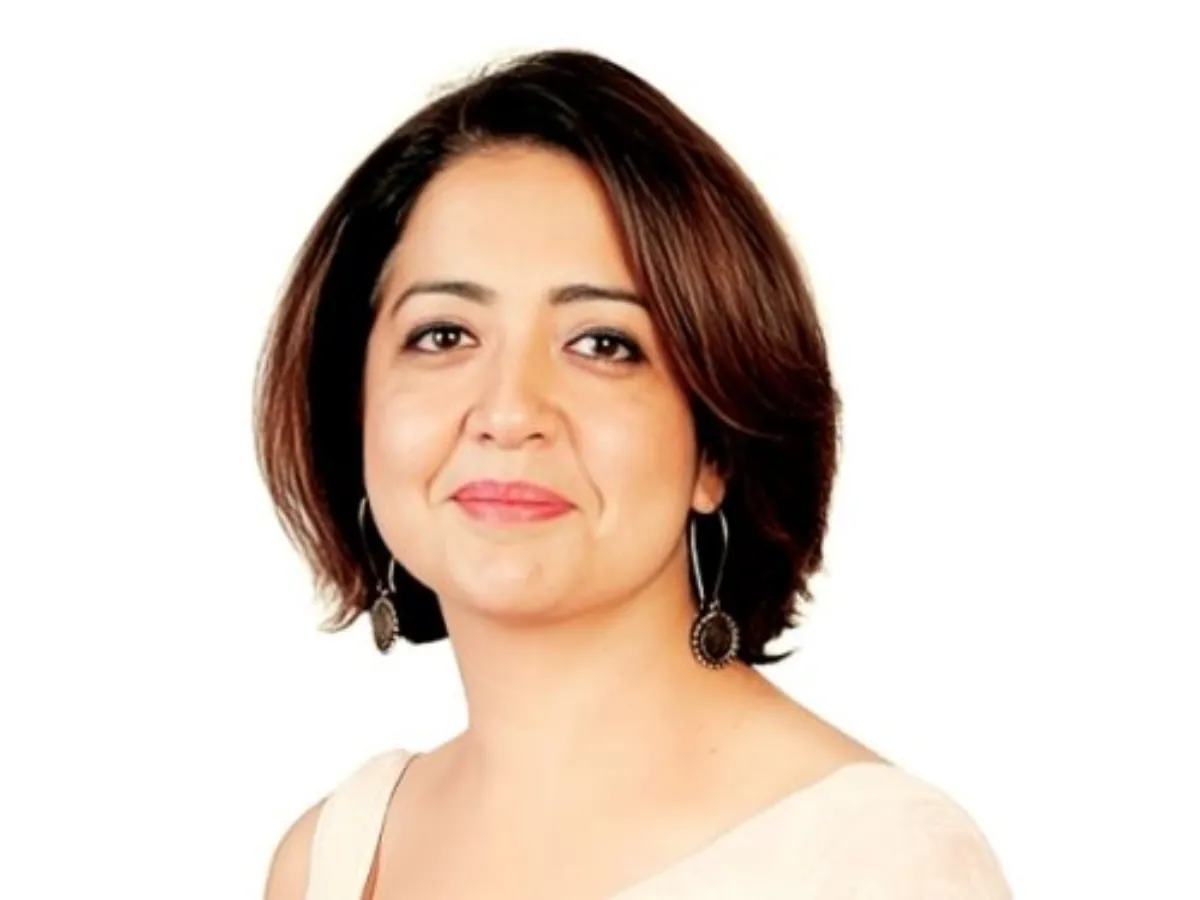
Manni Boparai is a versatile Punjabi & Hindi actress, director, and former Miss North India. A trained actor from Kreating Charakters, Mumbai, she gained fame as Negative Lead in Balaji's Kalash (240+ episodes) and Main Lead in 40+ hit Punjabi albums.
She has headlined films like Mr. & Mrs. 420, Jugni, Hijrat - winning 5 International Best Actress Awards for Hijrat - and upcoming leads in Punjab Na Bhuliyo and Haveli 1939.
You have been a lead in 40+ hit Punjabi albums, 240+ episodes for Balaji's Kalash, and films like Mr. & Mrs. 420 and Hijrat which won you 5 International Best Actress awards. What made you decide that Punjab Na Bhulyo would be your debut as a Director?
I have spent years in front of the camera, and with time, I developed a deep passion for exploring the creative world behind it. When Tiger Harmeek Singh shared the story of Punjab Na Bhulyo with me, I felt it was the right opportunity to turn my years of experience, learning, and passion into something meaningful.
Over the years, I have continued learning about direction, distribution, and production, and this project gave me the confidence to take that step. For me, Punjab Na Bhulyo marks a new chapter in my professional journey — a chance to grow beyond acting, challenge myself creatively, and bring my own vision to the screen.
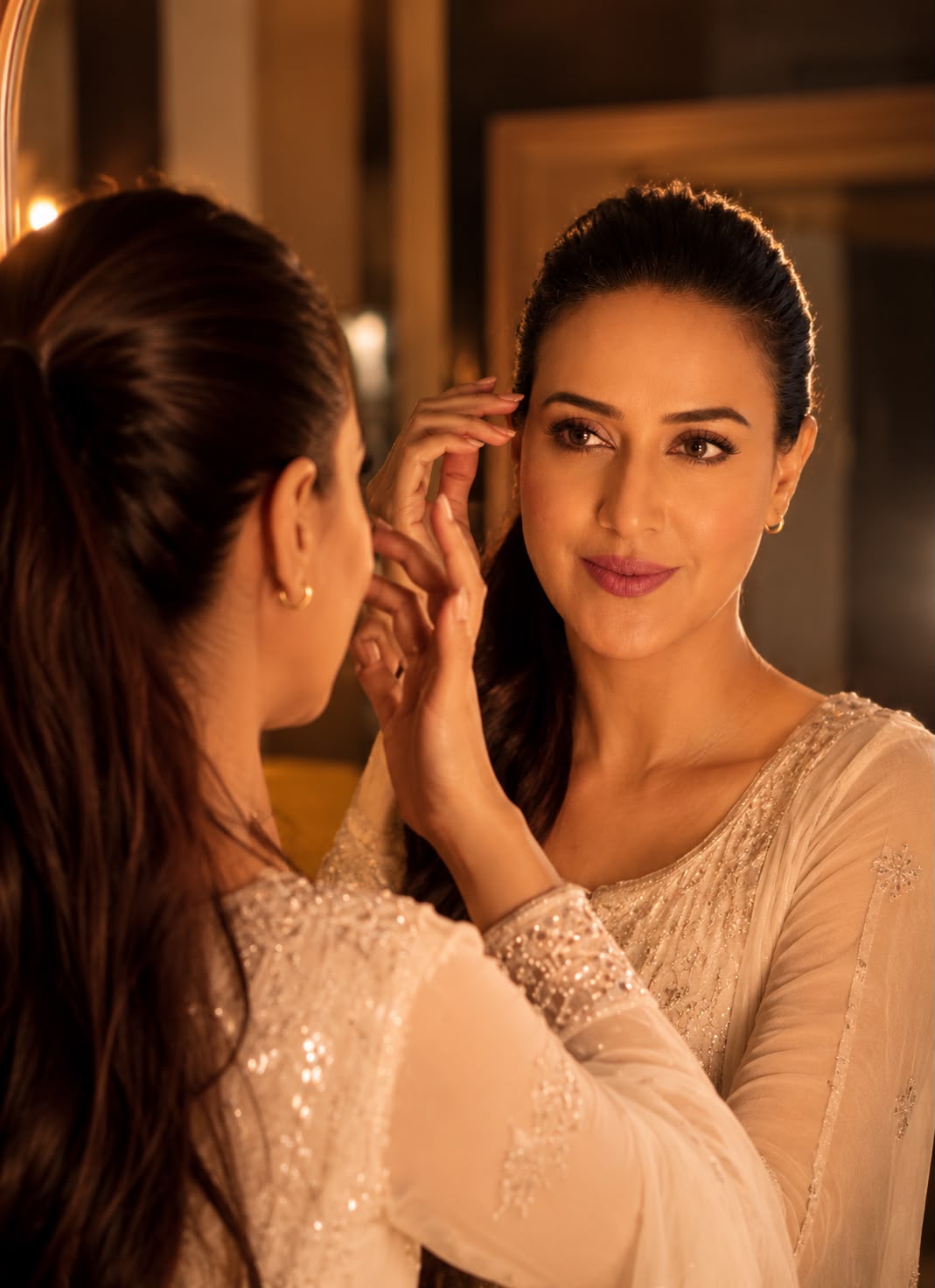
The title Punjab Na Bhulyo is very emotional and powerful. Without giving spoilers, what is the core story and what does Punjab mean to you personally in this film?
For me, Punjab Na Bhulyo means a lot because I am a daughter of Punjab. I have lived here, grown up in its culture, and experienced the lives and emotions of its people. I have seen the pain of Punjabi families, and through this film, I have tried to bring their struggles and untold stories to the screen.
Punjab Na Bhulyo is not just a film; it reflects the reality of Punjab and the times we are living in today. Somewhere, this film is also a part of my own story because I have never separated Punjab from myself. I believe Punjab lives within me, and the pain of every mother and every sister feels like my own.
You are trained from Kreating Charakters Mumbai, Tagore Theatre and Prithvi Theatre. How different is it to direct a film versus being directed as an actor? What was the biggest challenge on set as a Director?
As an actor, I have always focused on understanding my character and bringing emotions to life. But as a director, I had to look at the bigger picture and take responsibility for the entire film. My training at Kreating Charakters Mumbai, Tagore Theatre, and Prithvi Theatre helped me understand the craft, and my years of experience as an actor gave me a deeper understanding of performances.
For me, directing Punjab Na Bhulyo was a journey of learning, growth, and self-discovery. The biggest challenge was bringing the entire team together with one vision and ensuring that every emotion was portrayed authentically. It allowed me to step out of my comfort zone and discover a new dimension of myself as an artist.
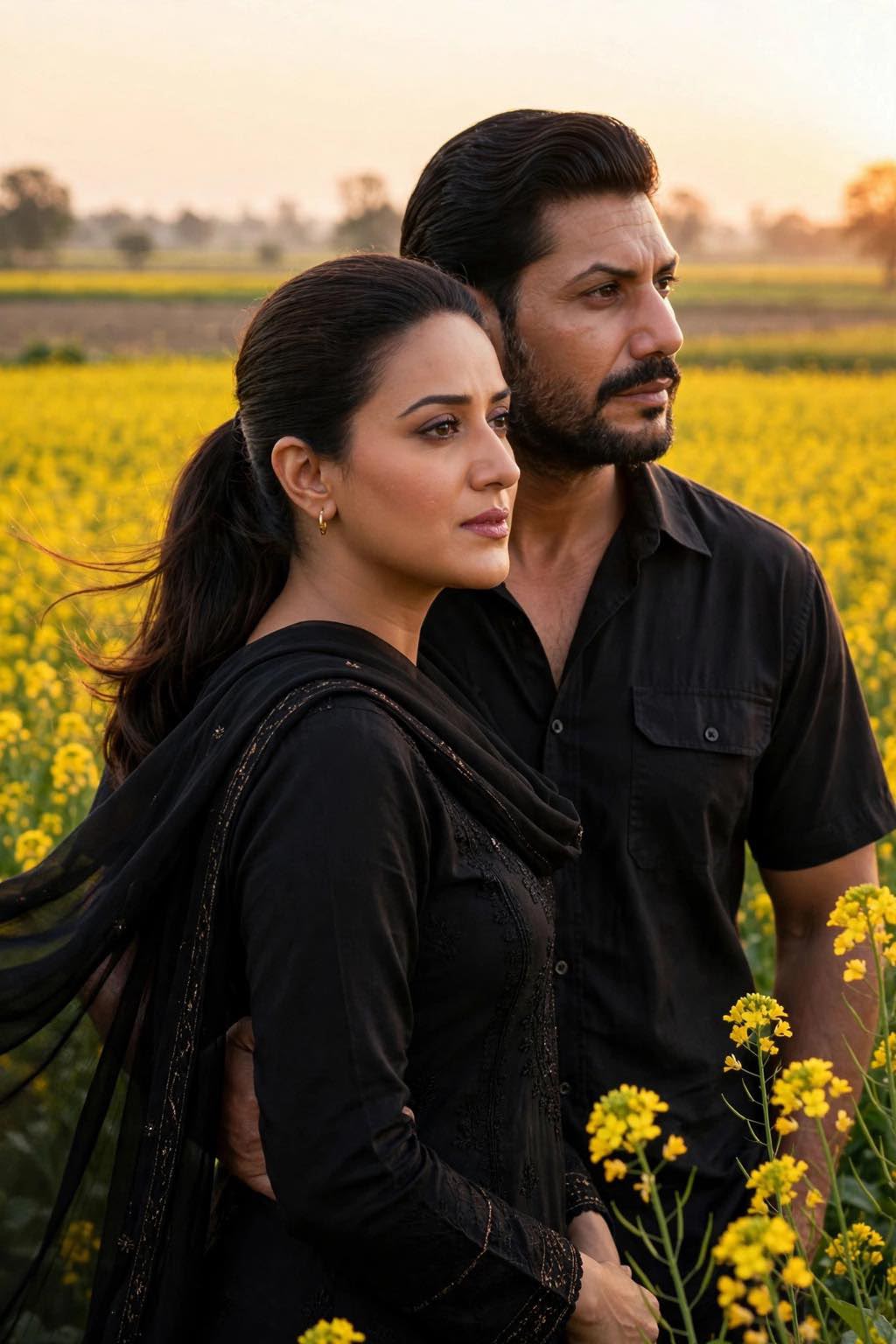
Punjabi film industry has very few female directors. Did you face any specific challenges being a female director leading a big Punjabi project, and how did you handle it?
I believe talent, vision, and dedication have no gender. As a female director, I focused on bringing my vision to life with confidence and letting my work speak for itself. My husband, Tiger Harmeek Singh, was my backbone throughout this journey, and his experience and constant support helped me complete Punjab Na Bhulyo. I believe challenges help us grow, think beyond our limits, and explore new possibilities. Alongside this project, I also worked on Haveli 1939, a horror film, which gave me the opportunity to explore a completely different genre. My goal is to create cinema that challenges me as an artist and touches people’s hearts.
As a director, what were you looking for in your actors? Did your experience as an actor help you in extracting performances from your cast in Punjab Na Bhulyo?
As a director, I wanted my actors to understand their characters deeply and perform with honesty and natural emotions. My experience as an actor helped me understand their perspectives, guide them comfortably, and bring out their best performances. Choosing well-known and experienced artists was important to me because I wanted the story to be portrayed with depth, authenticity, and the impact I had envisioned. I believe every actor has unique strengths, and my goal was to bring them together to make Punjab Na Bhulyo emotionally real, meaningful, and impactful.
You have also won Miss North India and Maa Boli Award for Best Actress. How much of Manni Boparai the actor is there in Manni Boparai the director?
The actor in me will always be a part of the director I am today. My journey, from winning Miss North India to receiving the Maa Boli Award for Best Actress and an honor from the Australian government, has taught me discipline, dedication, and the importance of staying connected to my craft. As an actor, I understand emotions and performances; as a director, I use that experience to guide my artists and bring stories to life. I believe both sides of me complement each other and help me grow as an artist.
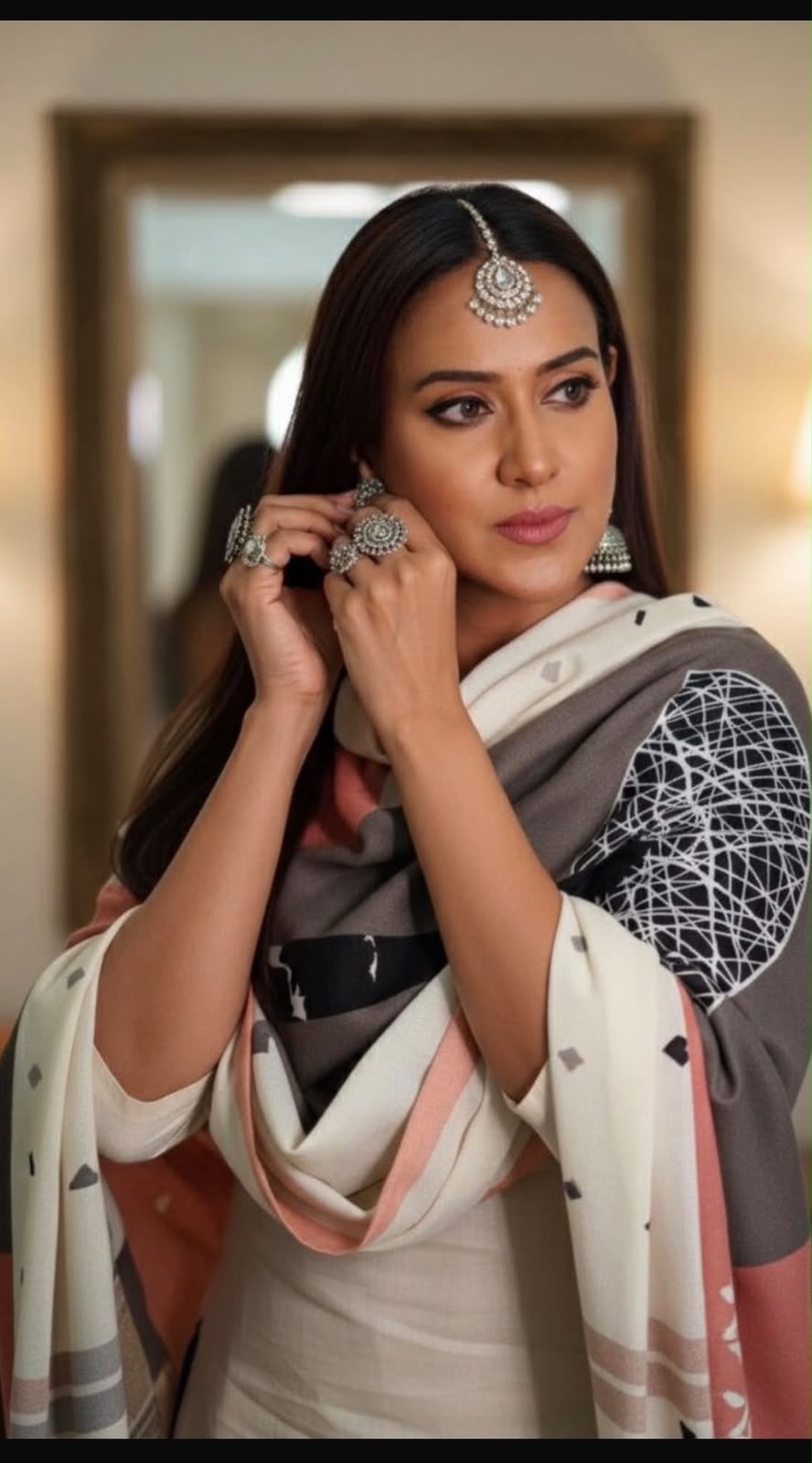
Your Punjabi albums were all hit numbers. How important is music in Punjab Na Bhulyo? Can we expect the same musical magic from you as a director?
Music has always been an important part of my journey. Earlier, I was part of musical albums as an actor, and now, as a director, I understand music from a broader perspective. I believe music is the soul of a film. All the songs in Punjab Na Bhulyo have touched people’s hearts, and I’m happy with the love they are receiving. Whether it’s a song or the background score, music makes us feel more alive, enhances emotions, and connects the audience deeply with the story. For me, a film is incomplete without music, and through Punjab Na Bhulyo, I hope to create the same musical magic that touches hearts and stays with the audience.
Your recent films were horror genre like Haveli 1939 and Jungle Jungle Baat Chali Hai with Rajpal Yadav. Now you are directing a rooted Punjabi drama like Punjab Na Bhulyo. How different are these two worlds?
Both genres are very different, and that is what makes them exciting as a filmmaker. Horror films like Haveli 1939 and Jungle Jungle Baat Chali Hai with Rajpal Yadav challenged me to create suspense, fear, and mystery. With Punjab Na Bhulyo, my focus is on real-life emotions, family relationships, and the struggles of Punjab’s people. As a director, I believe every genre has its own language, and my job is to understand it and do justice to the story. Whether it’s horror or a social drama, my ultimate aim is the same—to engage the audience, touch their hearts, and leave them with something meaningful to think about.
What is the one message you want the audience, especially the youth who are forgetting their roots, to take home after watching Punjab Na Bhulyo?
My message to the youth is simple: never forget your roots, your motherland, or the sacrifices your family makes for you. Dreams of going abroad are not wrong, but choose the right path and the right people to guide you. Never let anyone exploit your dreams or make you forget who you are and where you come from.
Through Punjab Na Bhulyo, I want people to understand the pain of families, the value of relationships, and the importance of making informed choices. No dream should cost you your identity, your family, or your humanity. Always remember your Punjab, because Punjab is not just a place; it is a part of who we are.
Now that you are a Director, what kind of cinema do you want to create next? And we are hearing a lot about your husband Tiger Harmeek Singh's are we going to see a next Tiger-Manni collaboration soon?
As a director, I want to create cinema that is meaningful, emotionally powerful, and entertaining—stories that touch hearts, raise important questions, and leave a lasting impact. I don’t want to limit myself to one genre; I want to keep exploring different subjects, experimenting with new ideas, and challenging myself creatively. For me, cinema is not just entertainment; it’s a powerful medium to connect with people and bring meaningful stories to life.
When it comes to Tiger Harmeek Singh and Manni Boparai, our collaboration is very special because we bring different strengths and perspectives to the table. Tiger’s writing and industry experience, combined with my vision as a director, create a strong creative partnership. We share a passion for storytelling and a desire to create something meaningful. So yes, I would love to collaborate with him again. If we find a story that inspires us both, you can certainly look forward to another Tiger–Manni collaboration!
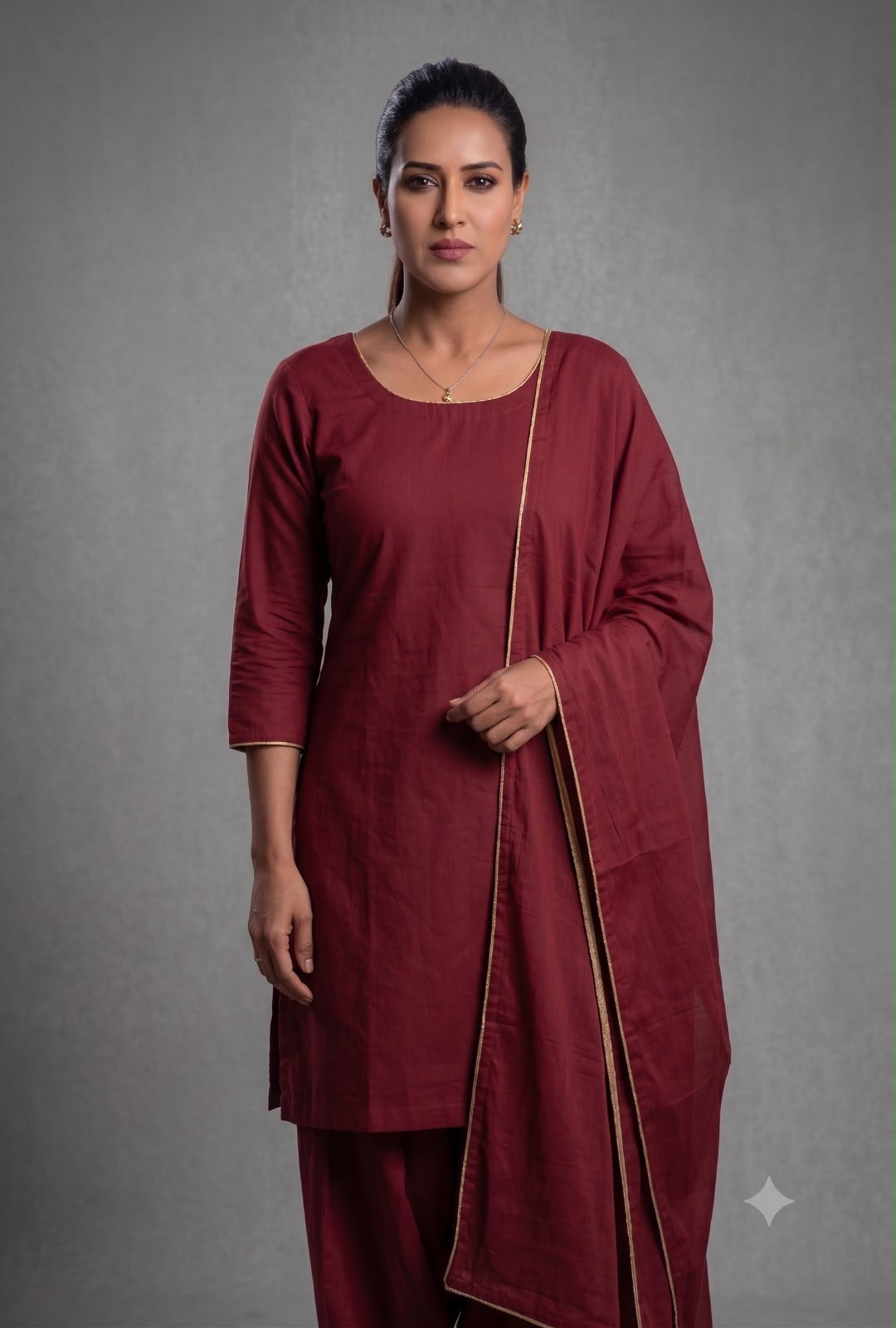
If Manni Boparai were no longer in this world, what message would you want her to leave behind? Why is Manni here, and what does she want to be remembered for? What has she lived for, and what legacy does she hope to leave behind?
I have lived a life rooted in love, family, and decency. My father has always been my greatest inspiration, and I deeply love my mother, sisters, and my husband, Tiger Harmeek Singh, who is my strength, backbone, and life partner. After losing my father, I felt broken, but with time, family responsibilities, and Tiger’s love and support, I found the strength to move forward.
As an actor, director, and painter, I have followed my creative journey while carrying forward the Boparai family name and making my father proud. I believe daughters can carry a family’s legacy just as proudly as sons.
I want to be remembered for my kindness, my love for every living being, and my desire to see others succeed. My greatest wish is to remain in people’s hearts through my work, compassion, and love. For me, the true legacy is not fame, but being remembered as a good human being who loved deeply, cared for her family, and treated every living being with kindness.