





































A Degree Without a Shield
“The phone that carries homework can also carry harm”
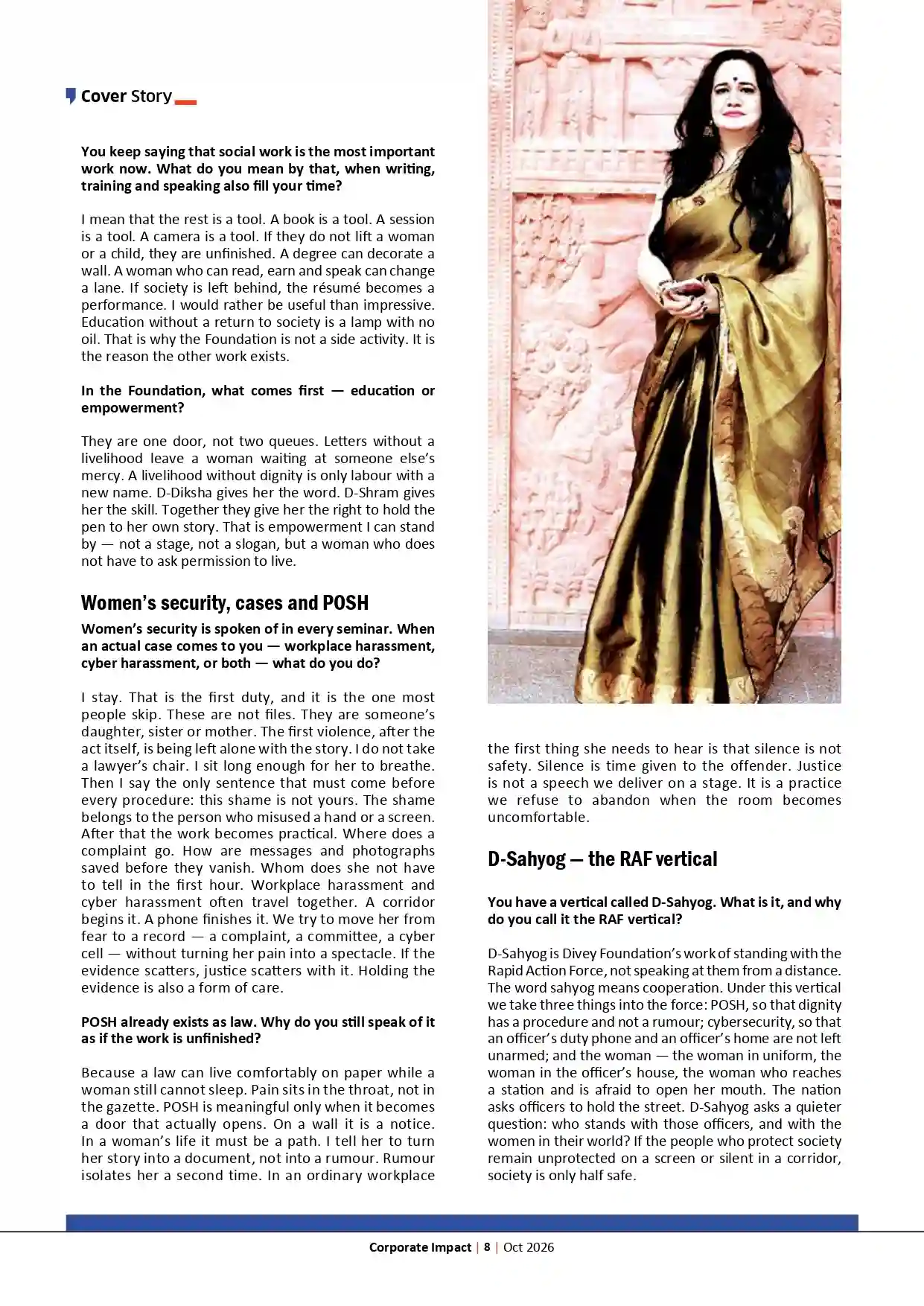
Dr. Divya Tanwar
Chairperson ( Diveyfoundation)
Professor of Cybersecurity
Divey Foundation

A school that gives a child marks and does not give her safety has only half-educated her. Teach mathematics, teach language, teach science — teach any subject you love. You still have to teach cybersecurity in that same room. The girl who is left unprotected at her desk is the woman who later comes looking for a Foundation, for officers, for a stranger who will not walk away. I built Divey Foundation for that woman and that child. I wrote Cyber Safe Classroom so that the school does not send her to us already broken. Social work is not what I do after my real work. It is the real work. Ek Kadam Roshni Ki Aur — one step towards light. If that step is not taken in the classroom, in the home, and beside the uniform, the rest is only noise.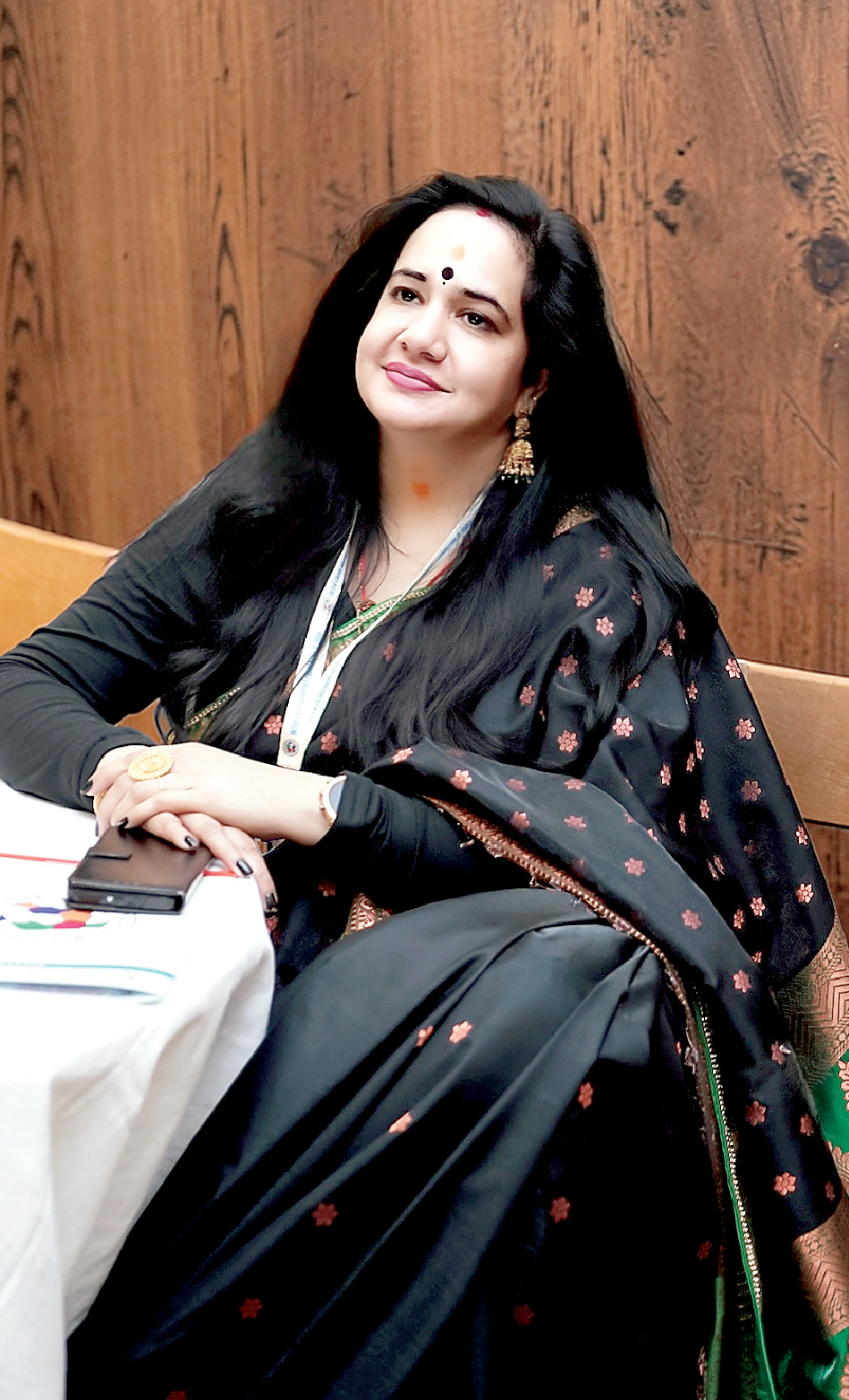
The book — Cyber Safe Classroom
You have written a new book, Cyber Safe Classroom. In a time when every teacher is already burdened with a subject, why this book, and what is the simple thought behind it?
The thought is simple, and I have repeated it until it sounds like a prayer. No matter what subject you are teaching, you have to teach cybersecurity. It cannot remain a special period or a once-a-year assembly. The child learns a multiplication table on the same phone on which her photograph can be circulated by evening. A teacher no longer has the right to say, “This is not my subject.” When homework, friendship, comparison and harm all live on one screen, safety has already entered the syllabus. Whether we admit it or not is another matter. I wrote this book so that a teacher does not stand frightened in front of a smart classroom, and so that a school learns to ask for a child’s honour as firmly as it asks for marks. A lock on a gate does not make a classroom safe. A voice does. A child who is allowed to speak, a teacher who is willing to hear, and a path to complain that is as clear as the timetable — that is the classroom I am trying to describe.
You have already written on women’s digital safety. How is Cyber Safe Classroom different, and what does a safe classroom look like in your mind?
Cyber Shield was written for the woman who is already standing alone with her phone. Cyber Safe Classroom is written for the room that shaped her before the world did. One book stands with a person. The other stands with a system. In my mind a safe classroom is not a room full of rules pasted on a wall. It is a room where prevention has become a daily habit, like attendance. It is a room where evidence — a message, a screenshot, a forwarded image — is held before it disappears. It is a room where the child, the teacher and the parent all know where to go, and do not have to carry shame as the price of speaking. If we hand a girl a degree and do not hand her protection, we have educated a citizen and left her unarmed.
Children, social media, POCSO and the law
The book is about a cyber-safe classroom. Why is that urgent now, when even very young children are on social media?
Because the child is no longer only in the classroom from nine to two. The same child is on a class group, a game chat, a short-video app, and a profile that looks harmless to a parent who is tired after work. Different platforms, different faces, the same danger: someone pretending to be a friend, a senior, a classmate, even a teacher. A photograph shared in innocence can be turned into pressure by night. This is why cybersecurity is not a separate subject. If you are teaching a child anything at all, you are already standing in the room where the phone lives. Cyber Safe Classroom was written for that room — so that a Hindi teacher, a mathematics teacher, a sports teacher does not wait for a “computer period” while a child is already being approached in the group the school itself created.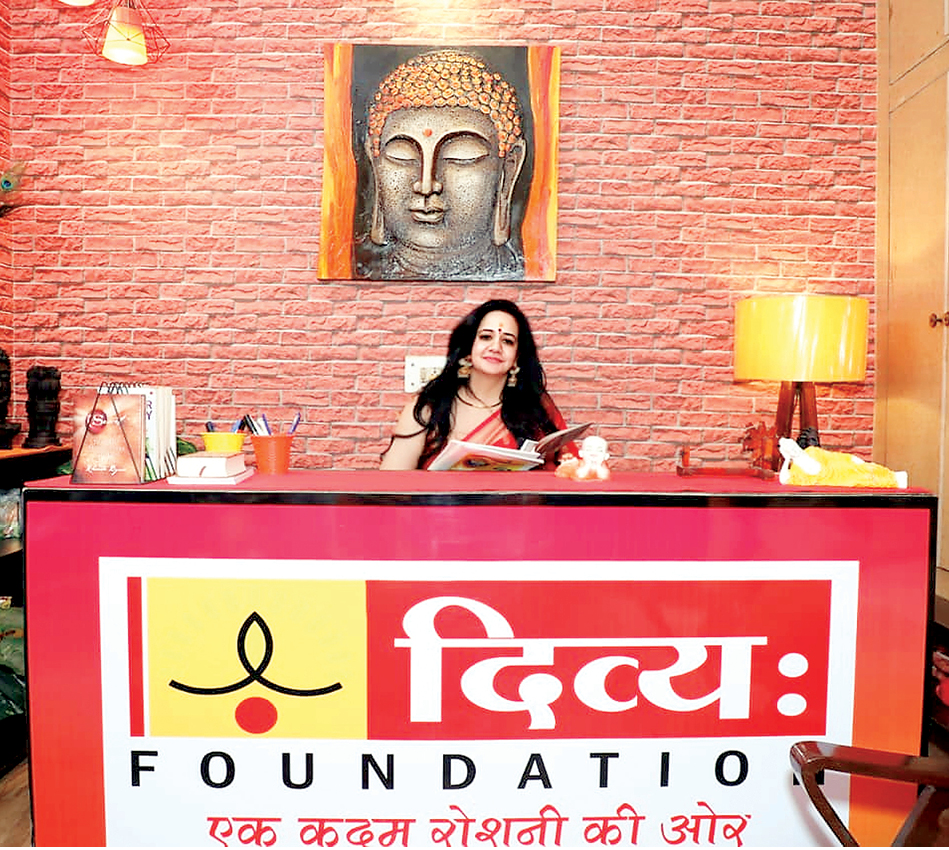
When such a case comes — a child, a photograph, a threat on a screen — what do you actually do?
I stay with the family, as I stay with a woman. The difference is that the law around a child is stricter, and so is our haste. A child cannot be asked to be “strong” in the way we sometimes ask an adult. First, the child must feel believed. Second, the evidence must be held before anyone in panic deletes the chat or throws the phone. Third, the report must go to the right door — not to a neighbourhood debate. I am not the special court. I am the person who will not let the family freeze. We speak to the school if the group began there. We speak to the parent without turning the house into a trial of the child. Then we point to the law that already exists, and to the numbers that work at night. A case involving a child is not a private embarrassment. Under our law, it is a crime against the child, and silence helps the offender, not the family.
What do families and teachers need to understand, without being given nightmares?
They need to understand that targeting is no longer rare, and it is no longer limited to a stranger at a gate. It travels through friend requests, comments, game gifts, secret chats, and the false comfort that the child is at home, therefore safe. Home is no longer a lock. The device is a door. I do not describe the offender’s craft. I describe the adult’s duty. Watch the change in the child — sudden secrecy with the phone, fear when a notification arrives, withdrawal from friends, marks falling, sleep breaking. Believe the child early. Do not begin with blame. “Why did you send the picture?” is the sentence that closes the mouth we need open. The first sentence should be: you are not at fault. Now we keep the proof, and we report.
Which laws do you place in front of teachers and parents when you speak of children and social media?
I place the ones that already have teeth, so that people stop saying there is no law for online harm. The POCSO Act, 2012 is the central law. A child is anyone under eighteen. Sexual harassment of a child includes conduct that happens on a screen — unwanted sexual talk, showing sexual material to a child, pressing a child for images, following a child with sexual intent. Making, storing, sharing or even browsing sexual material of a child is not a private mistake. It is an offence under POCSO and under Section 67B of the Information Technology Act. The Supreme Court has been clear that this is not entertainment. Platforms also have a duty to report such material to Indian police and the Special Juvenile Police Unit, not only to delete a post and look away. There is another duty that many teachers still do not know: Section 19 of POCSO. If you know, or even reasonably suspect, that a sexual offence has been committed against a child, you are required to report it. A school that hides a case to protect its name can itself fall on the wrong side of the law. I teach this without drama. Law is a shield. It is also a responsibility.
Where should a parent or a teacher report, in plain words?
Do not wait for a perfect file. Preserve the messages and the profile as they are. Then report. The National Cyber Crime Reporting Portal — cybercrime.gov.in — takes online crimes against children. The cyber helpline 1930 is for immediate guidance on cyber offences. CHILDLINE 1098 is for the child in distress, at any hour. The local police and the Special Juvenile Police Unit are the doors POCSO itself names. The National Commission for Protection of Child Rights can be approached when a system is not moving. I tell families: do not bargain with a blackmailer. Paying or sending more does not end the harm. It feeds it. Report, and let the law walk. The child needs a counsellor as much as a complaint. A case that saves the file and breaks the child is only half a rescue.
How are you working on this in the day — not as a slogan?
Through four rooms we have already built, now turned toward the child. First, the book. Cyber Safe Classroom tells every teacher that digital safety is part of the period they already teach. A child who can name a trusted adult in school is harder to isolate online. Second, Divey Foundation. D-Diksha is the child who was kept outside education. D-Cyber Jagrukta takes awareness into schools and lanes, in language a non-technical parent can use. We speak to children without frightening them, and to parents without shaming them. Third, cases. When a family comes, we stay. We help them keep evidence, choose the reporting door, and speak to the school so the child is not punished twice — once by the offender, once by gossip. Fourth, D-Sahyog with officers of the Rapid Action Force. Officers meet children in crowds, in neighbourhoods, in the aftermath of a complaint. They need the same clarity: this is POCSO, this is a screen, this is a child, this is not a family matter to be hushed. Women’s security and child security are not two careers. The girl we fail in Class Six is the woman who later sits in my room unable to sleep.
What do you tell a young child, and what do you tell the adult who is supposed to guard that child?
To the child I say: your body and your picture belong to you. No one — not a friend on a screen, not a senior, not a person who sends gifts — has the right to ask for them. If something feels wrong, tell one adult who will listen. You will not be in trouble for telling. To the adult I say: the law is already on the child’s side. POCSO, the IT Act, the duty to report — these are not tomorrow’s reforms. They are today’s tools. Your work is to know the door, keep the proof, refuse shame, and stand in front of the child, not in front of the school’s reputation. Digital awareness is not a workshop we attend once. It is the new literacy. If we can teach a child to read a book, we can teach a child to read a danger. That is social work now.
Divey Foundation — social work,education, empowerment
After the book, one returns to the ground. What is Divey Foundation to you today, and why did you raise it at all?
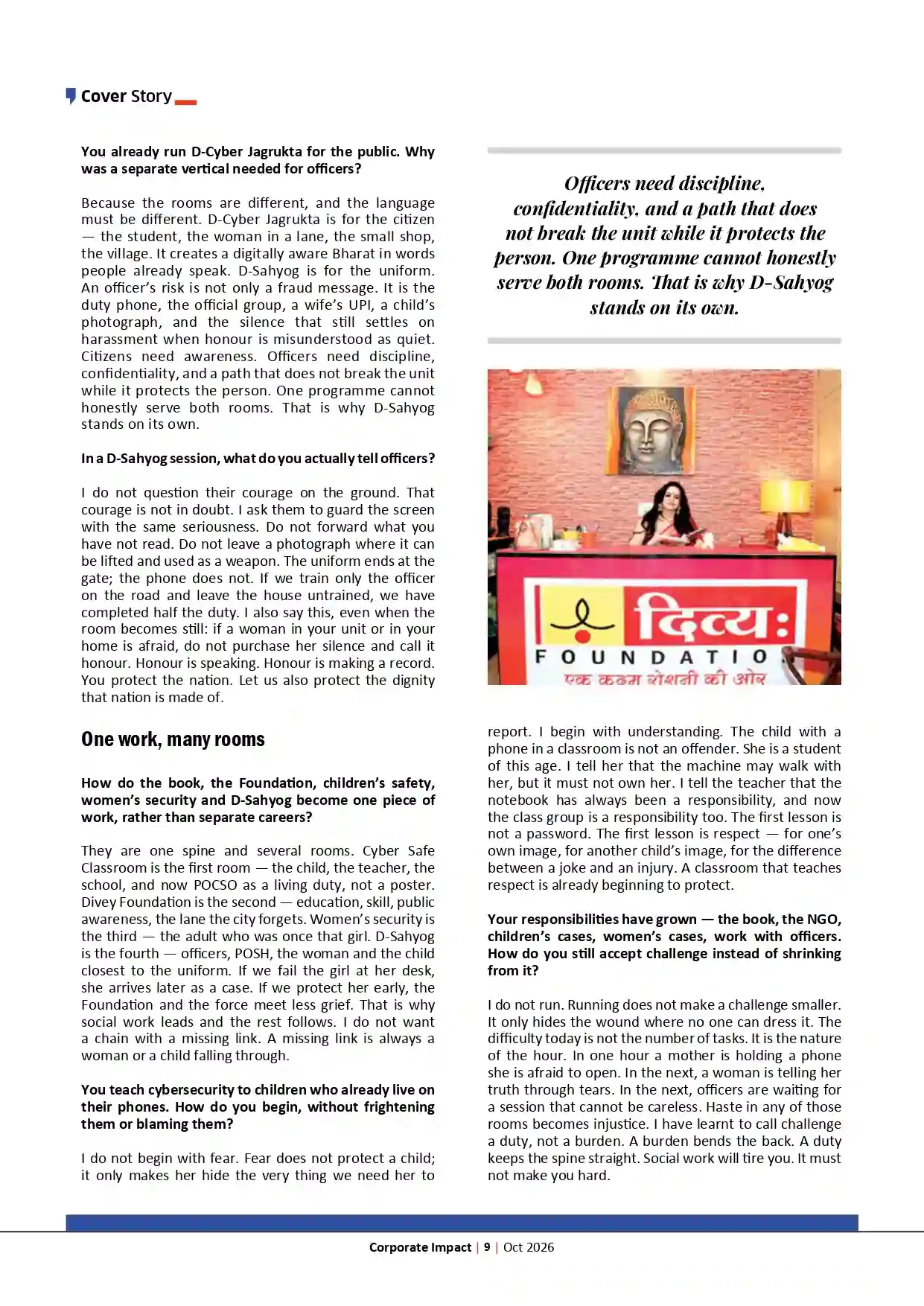
The Foundation is the ground under the book. I founded Divey Foundation in 2013 because I could not accept that knowledge should stop at a certificate. Whatever I received had to return, in some share, to people who were told that school and dignity were not meant for them. That was my parents’ teaching, and it has not grown old. Our line is simple: Empowered women empower the world. When a woman rises, the house rises with her, and then the lane. D-Diksha is education. D-Shram is skill. D-Cyber Jagrukta wakes the ordinary citizen. D-Sahyog stands with officers of the force. We work with children who were kept outside the gate, and with women who live in streets the city drives past. Ek Kadam Roshni Ki Aur is not a phrase I put on a website for decoration. It is the order of my day.
You keep saying that social work is the most important work now. What do you mean by that, when writing, training and speaking also fill your time?
I mean that the rest is a tool. A book is a tool. A session is a tool. A camera is a tool. If they do not lift a woman or a child, they are unfinished. A degree can decorate a wall. A woman who can read, earn and speak can change a lane. If society is left behind, the résumé becomes a performance. I would rather be useful than impressive. Education without a return to society is a lamp with no oil. That is why the Foundation is not a side activity. It is the reason the other work exists.
In the Foundation, what comes first — education or empowerment?
They are one door, not two queues. Letters without a livelihood leave a woman waiting at someone else’s mercy. A livelihood without dignity is only labour with a new name. D-Diksha gives her the word. D-Shram gives her the skill. Together they give her the right to hold the pen to her own story. That is empowerment I can stand by — not a stage, not a slogan, but a woman who does not have to ask permission to live.
Women’s security, cases and POSH
Women’s security is spoken of in every seminar. When an actual case comes to you — workplace harassment, cyber harassment, or both — what do you do?
I stay. That is the first duty, and it is the one most people skip. These are not files. They are someone’s daughter, sister or mother. The first violence, after the act itself, is being left alone with the story. I do not take a lawyer’s chair. I sit long enough for her to breathe. Then I say the only sentence that must come before every procedure: this shame is not yours. The shame belongs to the person who misused a hand or a screen. After that the work becomes practical. Where does a complaint go. How are messages and photographs saved before they vanish. Whom does she not have to tell in the first hour. Workplace harassment and cyber harassment often travel together. A corridor begins it. A phone finishes it. We try to move her from fear to a record — a complaint, a committee, a cyber cell — without turning her pain into a spectacle. If the evidence scatters, justice scatters with it. Holding the evidence is also a form of care.
POSH already exists as law. Why do you still speak of it as if the work is unfinished?
Because a law can live comfortably on paper while a woman still cannot sleep. Pain sits in the throat, not in the gazette. POSH is meaningful only when it becomes a door that actually opens. On a wall it is a notice. In a woman’s life it must be a path. I tell her to turn her story into a document, not into a rumour. Rumour isolates her a second time. In an ordinary workplace the first thing she needs to hear is that silence is not safety. Silence is time given to the offender. Justice is not a speech we deliver on a stage. It is a practice we refuse to abandon when the room becomes uncomfortable.
D-Sahyog — the RAF vertical
You have a vertical called D-Sahyog. What is it, and why do you call it the RAF vertical?
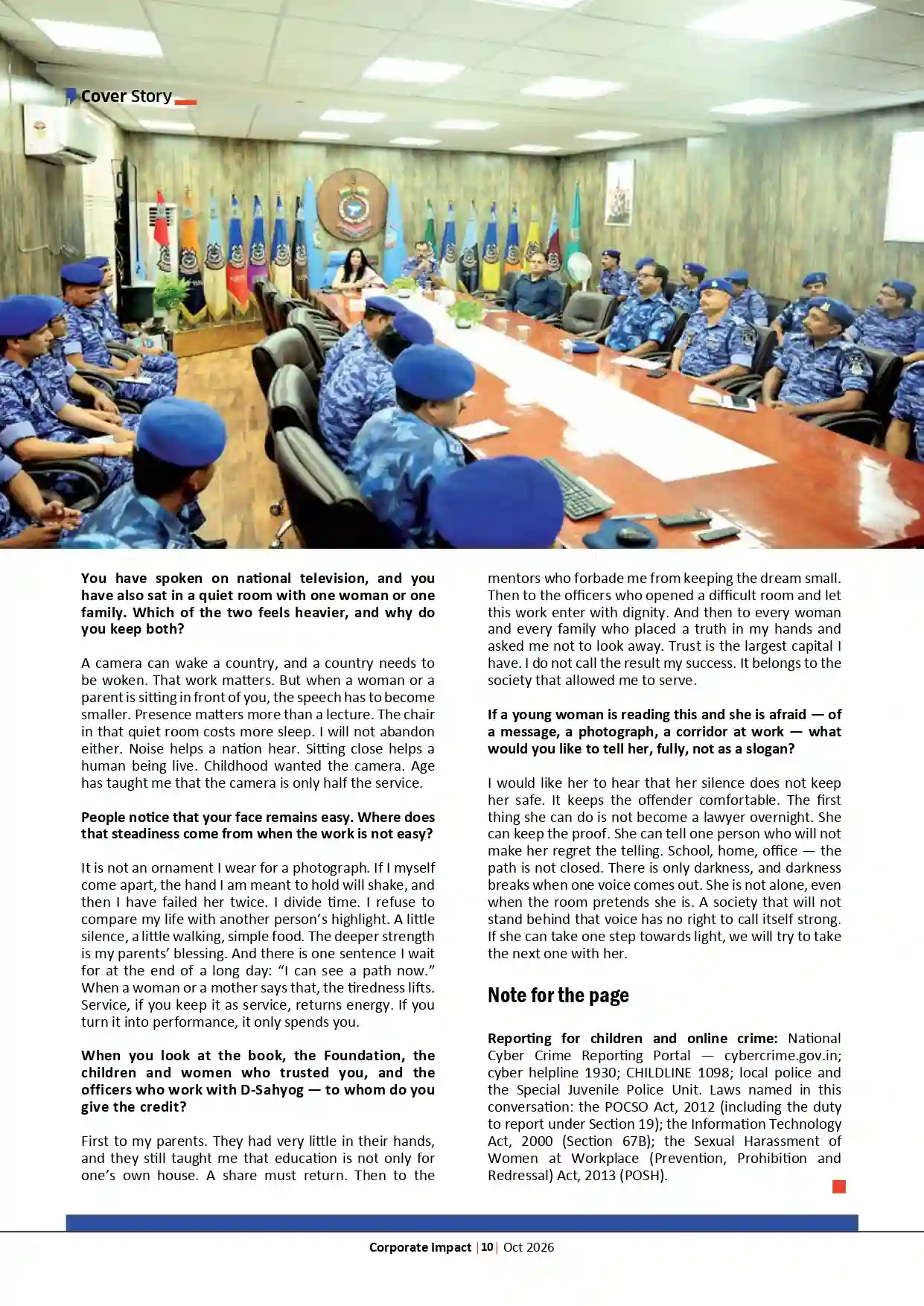
D-Sahyog is Divey Foundation’s work of standing with the Rapid Action Force, not speaking at them from a distance. The word sahyog means cooperation. Under this vertical we take three things into the force: POSH, so that dignity has a procedure and not a rumour; cybersecurity, so that an officer’s duty phone and an officer’s home are not left unarmed; and the woman — the woman in uniform, the woman in the officer’s house, the woman who reaches a station and is afraid to open her mouth. The nation asks officers to hold the street. D-Sahyog asks a quieter question: who stands with those officers, and with the women in their world? If the people who protect society remain unprotected on a screen or silent in a corridor, society is only half safe.
You already run D-Cyber Jagrukta for the public. Why was a separate vertical needed for officers?
Because the rooms are different, and the language must be different. D-Cyber Jagrukta is for the citizen — the student, the woman in a lane, the small shop, the village. It creates a digitally aware Bharat in words people already speak. D-Sahyog is for the uniform. An officer’s risk is not only a fraud message. It is the duty phone, the official group, a wife’s UPI, a child’s photograph, and the silence that still settles on harassment when honour is misunderstood as quiet. Citizens need awareness. Officers need discipline, confidentiality, and a path that does not break the unit while it protects the person. One programme cannot honestly serve both rooms. That is why D-Sahyog stands on its own.
In a D-Sahyog session, what do you actually tell officers?
I do not question their courage on the ground. That courage is not in doubt. I ask them to guard the screen with the same seriousness. Do not forward what you have not read. Do not leave a photograph where it can be lifted and used as a weapon. The uniform ends at the gate; the phone does not. If we train only the officer on the road and leave the house untrained, we have completed half the duty. I also say this, even when the room becomes still: if a woman in your unit or in your home is afraid, do not purchase her silence and call it honour. Honour is speaking. Honour is making a record. You protect the nation. Let us also protect the dignity that nation is made of.
One work, many rooms
How do the book, the Foundation, children’s safety, women’s security and D-Sahyog become one piece of work, rather than separate careers?
They are one spine and several rooms. Cyber Safe Classroom is the first room — the child, the teacher, the school, and now POCSO as a living duty, not a poster. Divey Foundation is the second — education, skill, public awareness, the lane the city forgets. Women’s security is the third — the adult who was once that girl. D-Sahyog is the fourth — officers, POSH, the woman and the child closest to the uniform. If we fail the girl at her desk, she arrives later as a case. If we protect her early, the Foundation and the force meet less grief. That is why social work leads and the rest follows. I do not want a chain with a missing link. A missing link is always a woman or a child falling through.
You teach cybersecurity to children who already live on their phones. How do you begin, without frightening them or blaming them?
I do not begin with fear. Fear does not protect a child; it only makes her hide the very thing we need her to report. I begin with understanding. The child with a phone in a classroom is not an offender. She is a student of this age. I tell her that the machine may walk with her, but it must not own her. I tell the teacher that the notebook has always been a responsibility, and now the class group is a responsibility too. The first lesson is not a password. The first lesson is respect — for one’s own image, for another child’s image, for the difference between a joke and an injury. A classroom that teaches respect is already beginning to protect.
Your responsibilities have grown — the book, the NGO, children’s cases, women’s cases, work with officers. How do you still accept challenge instead of shrinking from it?
I do not run. Running does not make a challenge smaller. It only hides the wound where no one can dress it. The difficulty today is not the number of tasks. It is the nature of the hour. In one hour a mother is holding a phone she is afraid to open. In the next, a woman is telling her truth through tears. In the next, officers are waiting for a session that cannot be careless. Haste in any of those rooms becomes injustice. I have learnt to call challenge a duty, not a burden. A burden bends the back. A duty keeps the spine straight. Social work will tire you. It must not make you hard.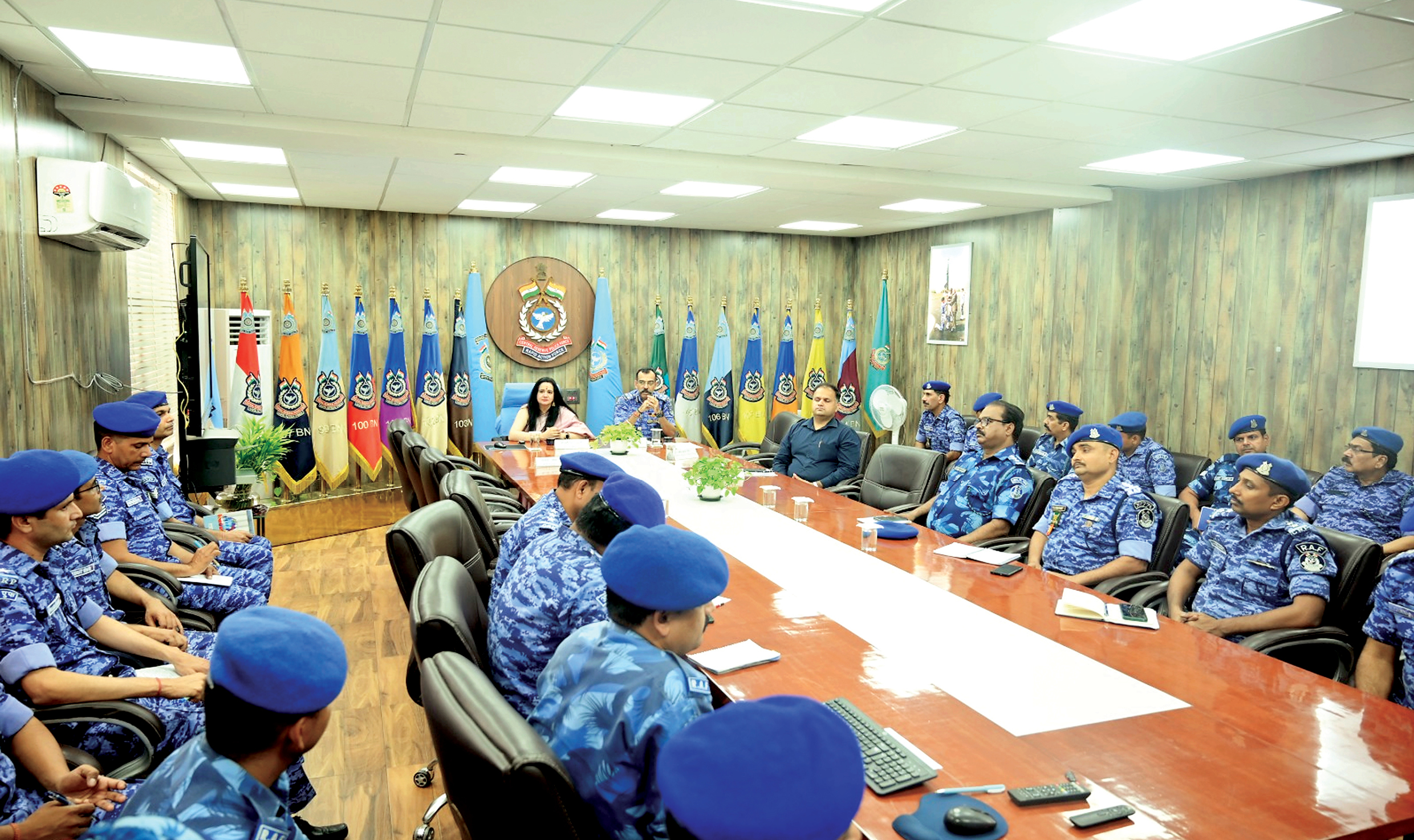
You have spoken on national television, and you have also sat in a quiet room with one woman or one family. Which of the two feels heavier, and why do you keep both?
A camera can wake a country, and a country needs to be woken. That work matters. But when a woman or a parent is sitting in front of you, the speech has to become smaller. Presence matters more than a lecture. The chair in that quiet room costs more sleep. I will not abandon either. Noise helps a nation hear. Sitting close helps a human being live. Childhood wanted the camera. Age has taught me that the camera is only half the service.
People notice that your face remains easy. Where does that steadiness come from when the work is not easy?
It is not an ornament I wear for a photograph. If I myself come apart, the hand I am meant to hold will shake, and then I have failed her twice. I divide time. I refuse to compare my life with another person’s highlight. A little silence, a little walking, simple food. The deeper strength is my parents’ blessing. And there is one sentence I wait for at the end of a long day: “I can see a path now.” When a woman or a mother says that, the tiredness lifts. Service, if you keep it as service, returns energy. If you turn it into performance, it only spends you.
When you look at the book, the Foundation, the children and women who trusted you, and the officers who work with D-Sahyog — to whom do you give the credit?
First to my parents. They had very little in their hands, and they still taught me that education is not only for one’s own house. A share must return. Then to the mentors who forbade me from keeping the dream small. Then to the officers who opened a difficult room and let this work enter with dignity. And then to every woman and every family who placed a truth in my hands and asked me not to look away. Trust is the largest capital I have. I do not call the result my success. It belongs to the society that allowed me to serve.
If a young woman is reading this and she is afraid — of a message, a photograph, a corridor at work — what would you like to tell her, fully, not as a slogan?
I would like her to hear that her silence does not keep her safe. It keeps the offender comfortable. The first thing she can do is not become a lawyer overnight. She can keep the proof. She can tell one person who will not make her regret the telling. School, home, office — the path is not closed. There is only darkness, and darkness breaks when one voice comes out. She is not alone, even when the room pretends she is. A society that will not stand behind that voice has no right to call itself strong. If she can take one step towards light, we will try to take the next one with her.
Note for the page
Reporting for children and online crime: National Cyber Crime Reporting Portal — cybercrime.gov.in; cyber helpline 1930; CHILDLINE 1098; local police and the Special Juvenile Police Unit. Laws named in this conversation: the POCSO Act, 2012 (including the duty to report under Section 19); the Information Technology Act, 2000 (Section 67B); the Sexual Harassment of Women at Workplace (Prevention, Prohibition and Redressal) Act, 2013 (POSH).