































India Has Halved Its Smoking Rate — Here’s What That Really Means
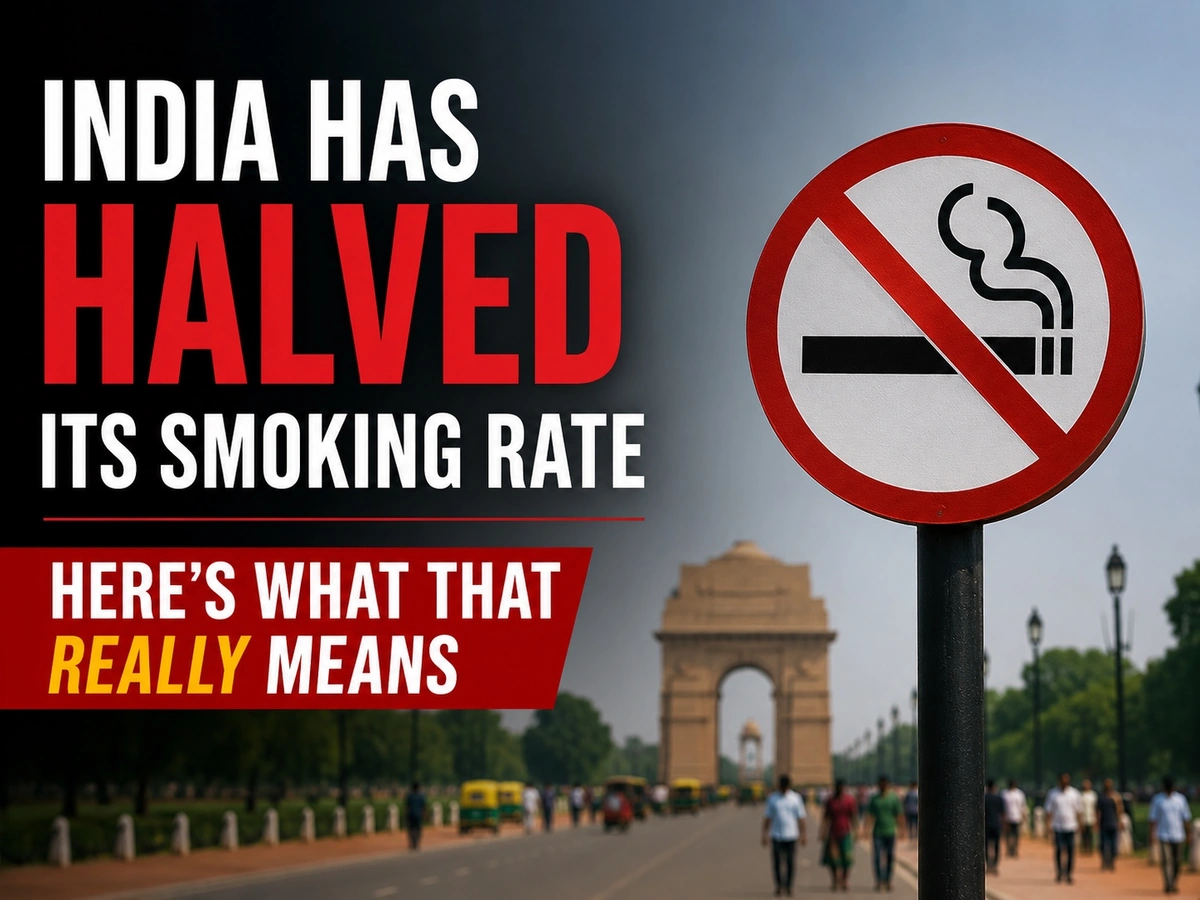
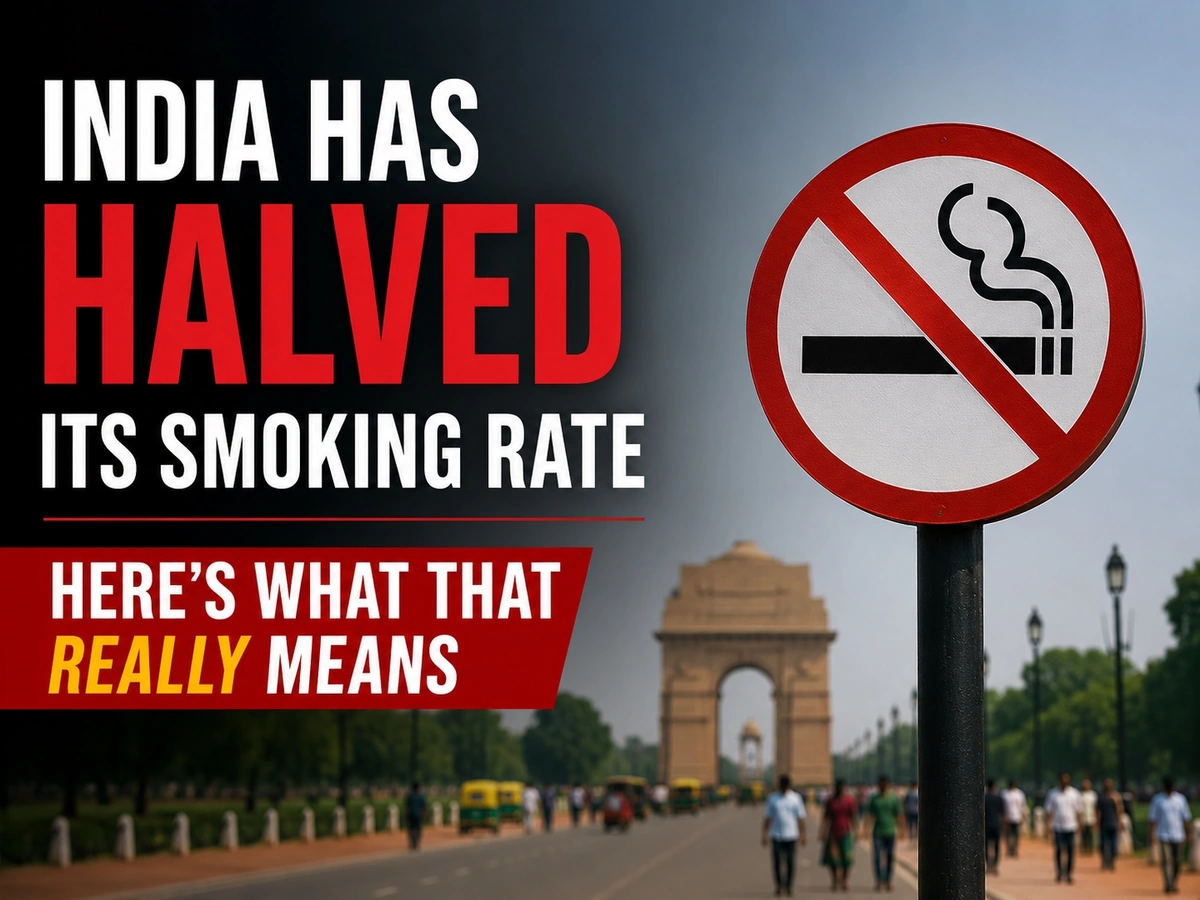
One of India’s most remarkable public health achievements has unfolded quietly over the past two decades. While it has attracted little public attention compared to many other national milestones, the country’s smoking rate has been reduced by nearly half, marking a significant victory in the fight against tobacco-related diseases and preventable deaths.
This transformation did not happen overnight. It is the result of years of sustained public health initiatives that combined stronger tobacco-control laws, prominent health warnings on cigarette packaging, restrictions on smoking in public places, higher taxes on tobacco products, and widespread awareness campaigns highlighting the dangers of smoking. Together, these measures have gradually reshaped public behaviour and attitudes toward tobacco consumption.
Equally important has been a cultural shift among younger generations. Smoking, once associated with style and social status, is increasingly viewed as an unhealthy habit rather than a symbol of modern living. Growing awareness of its long-term health consequences, combined with changing lifestyle preferences, has encouraged many young Indians to avoid or quit smoking altogether.
The benefits of this decline extend far beyond individual health. Fewer smokers mean lower incidences of cancer, heart disease, stroke, and chronic respiratory illnesses, reducing the burden on an already stretched healthcare system. Families are spared the emotional and financial hardships associated with tobacco-related illnesses, while the nation’s workforce becomes healthier, more productive, and economically resilient. Public health experts have long maintained that investing in prevention generates far greater returns than treating diseases after they occur, and India’s progress illustrates that principle in action.
Yet this remarkable success often goes unnoticed precisely because it has been gradual. There was no single breakthrough moment or headline-grabbing event—only millions of individuals making healthier choices over many years, supported by consistent policy interventions and public education.
India’s experience demonstrates that meaningful public health transformation is built through persistence rather than spectacle. As the country continues addressing lifestyle diseases and preventive healthcare, its success in reducing smoking offers a valuable model for future health initiatives. It is a reminder that lasting national progress is often measured not only by dramatic events but by the quiet decisions that improve millions of lives every single day.