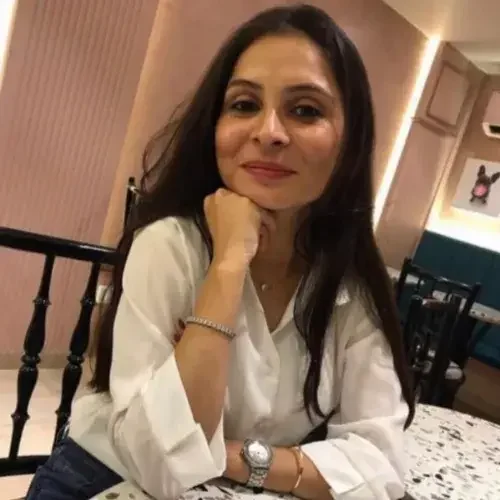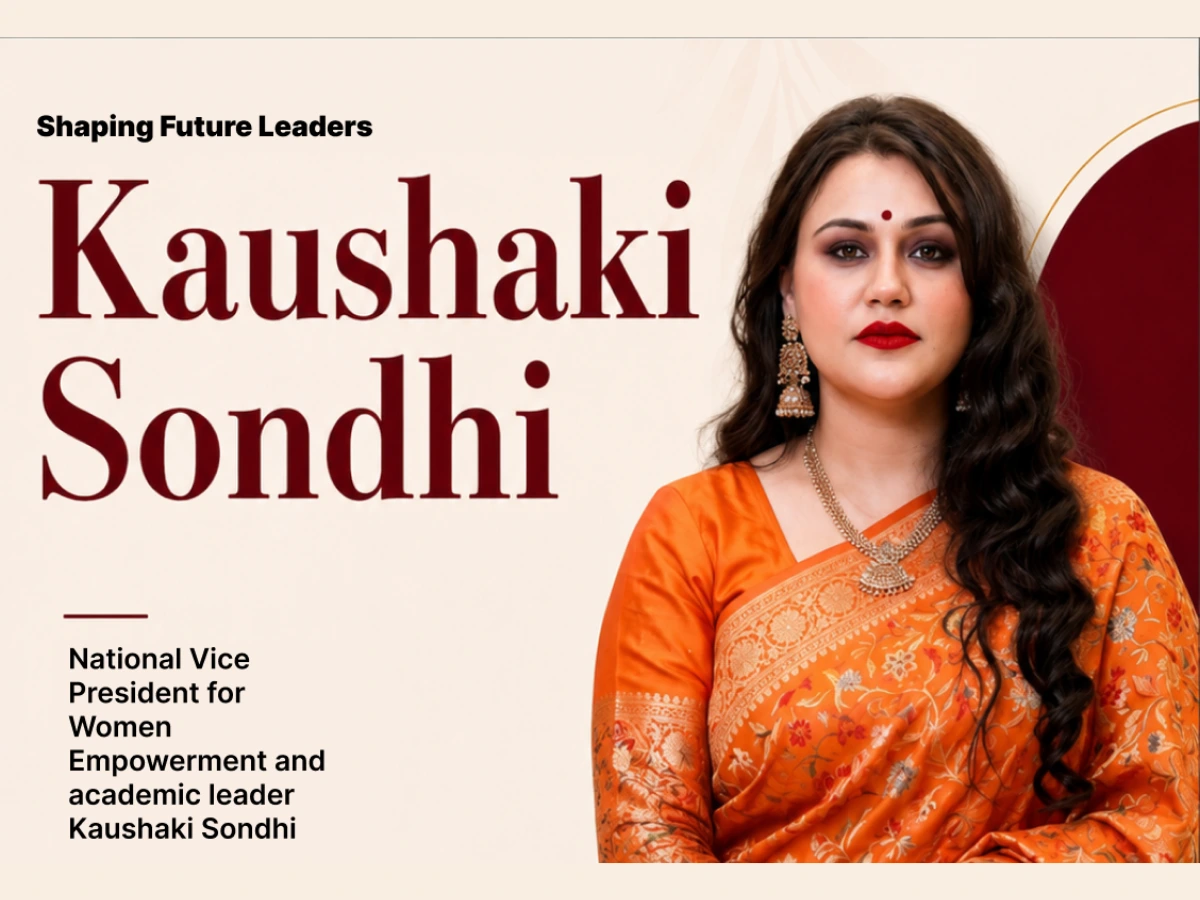
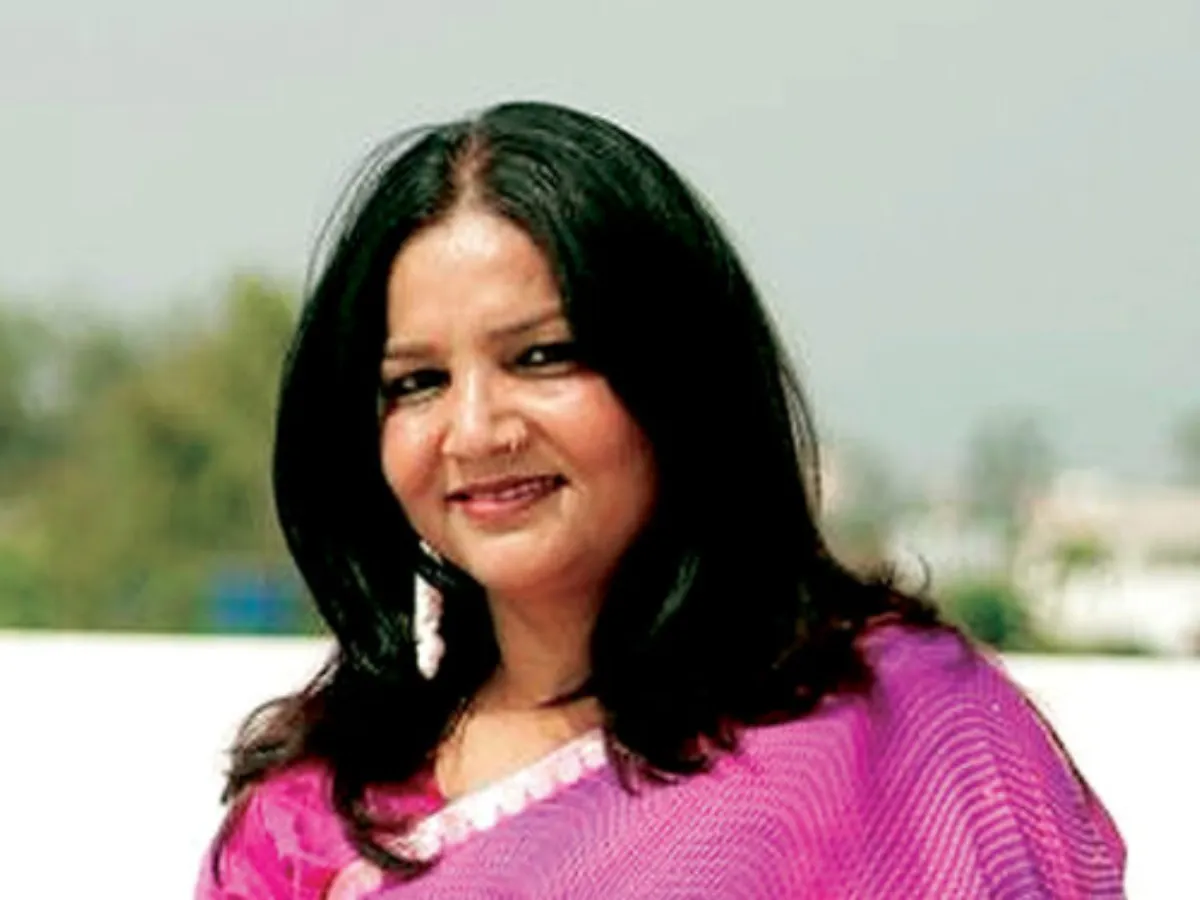

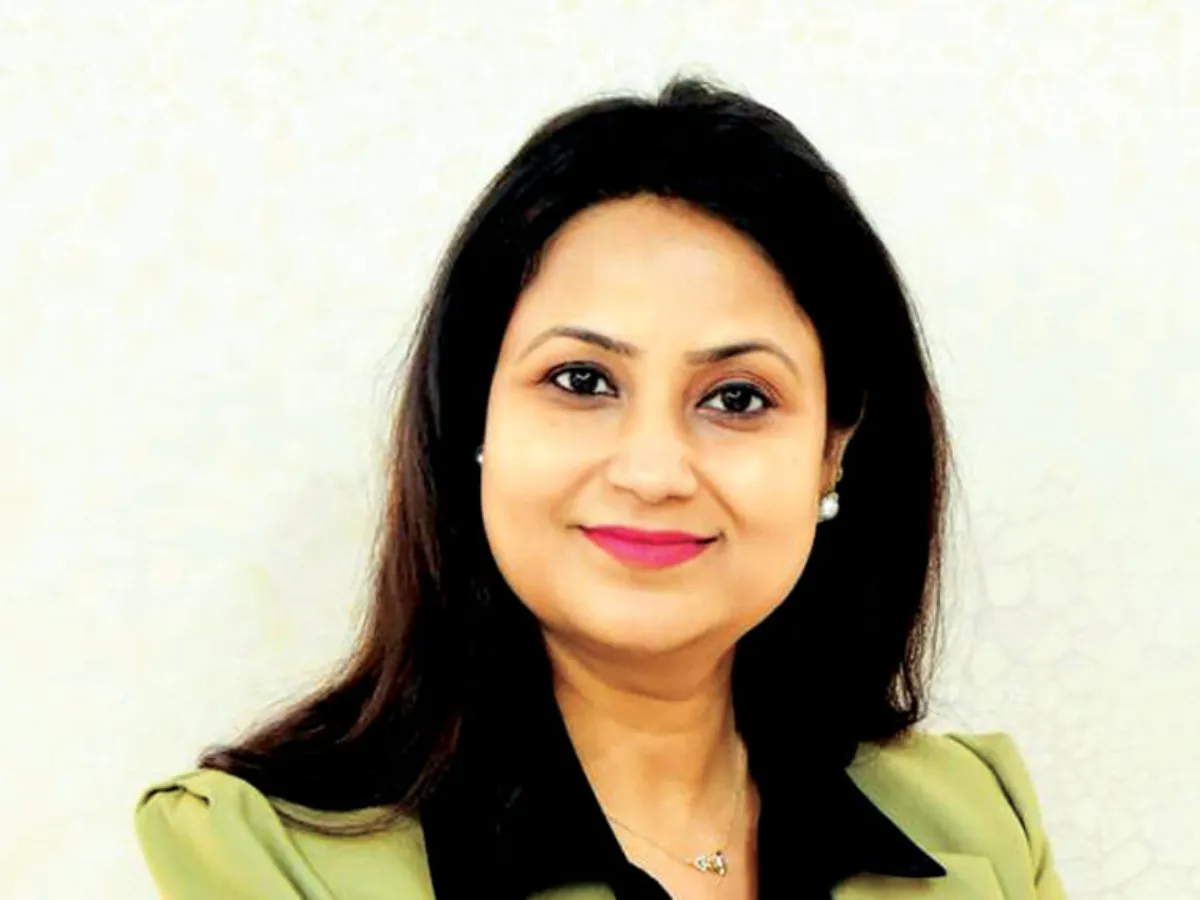






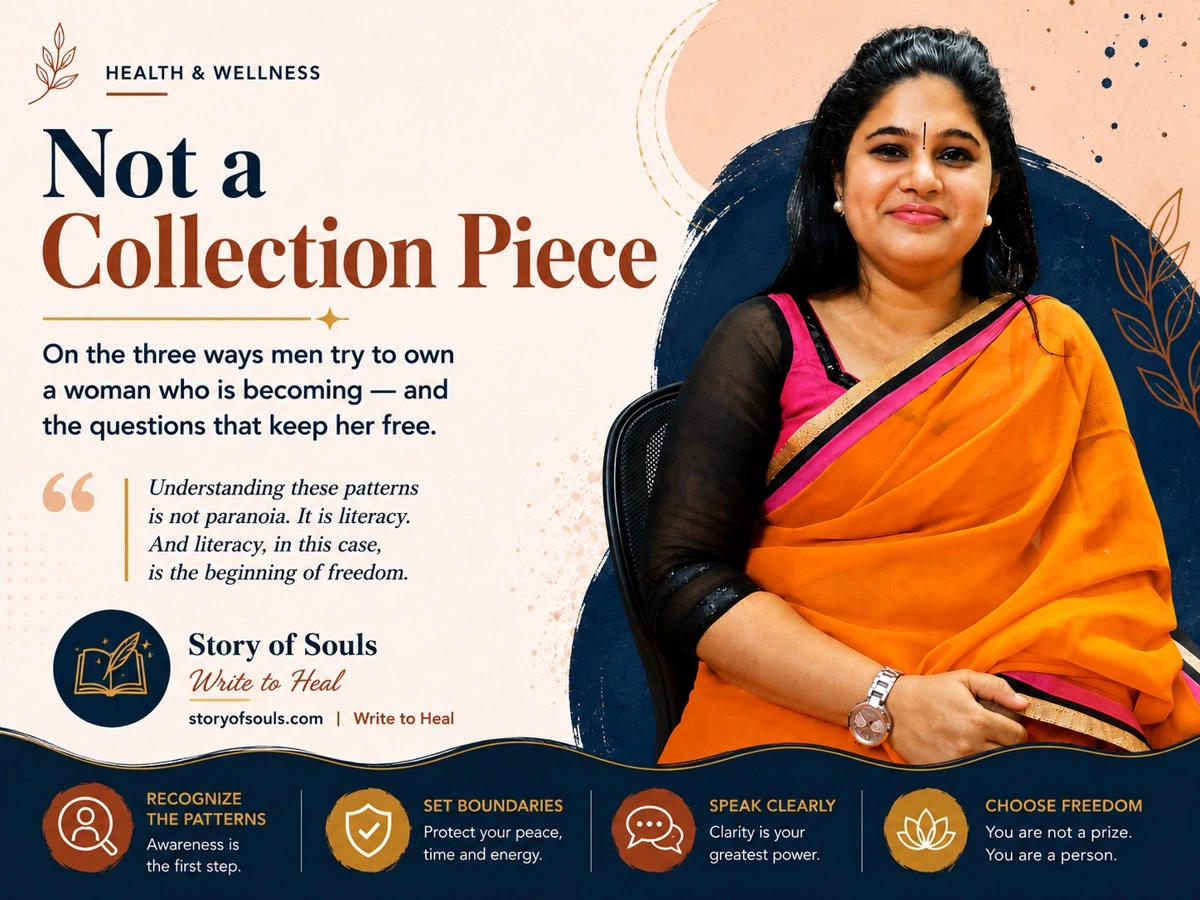



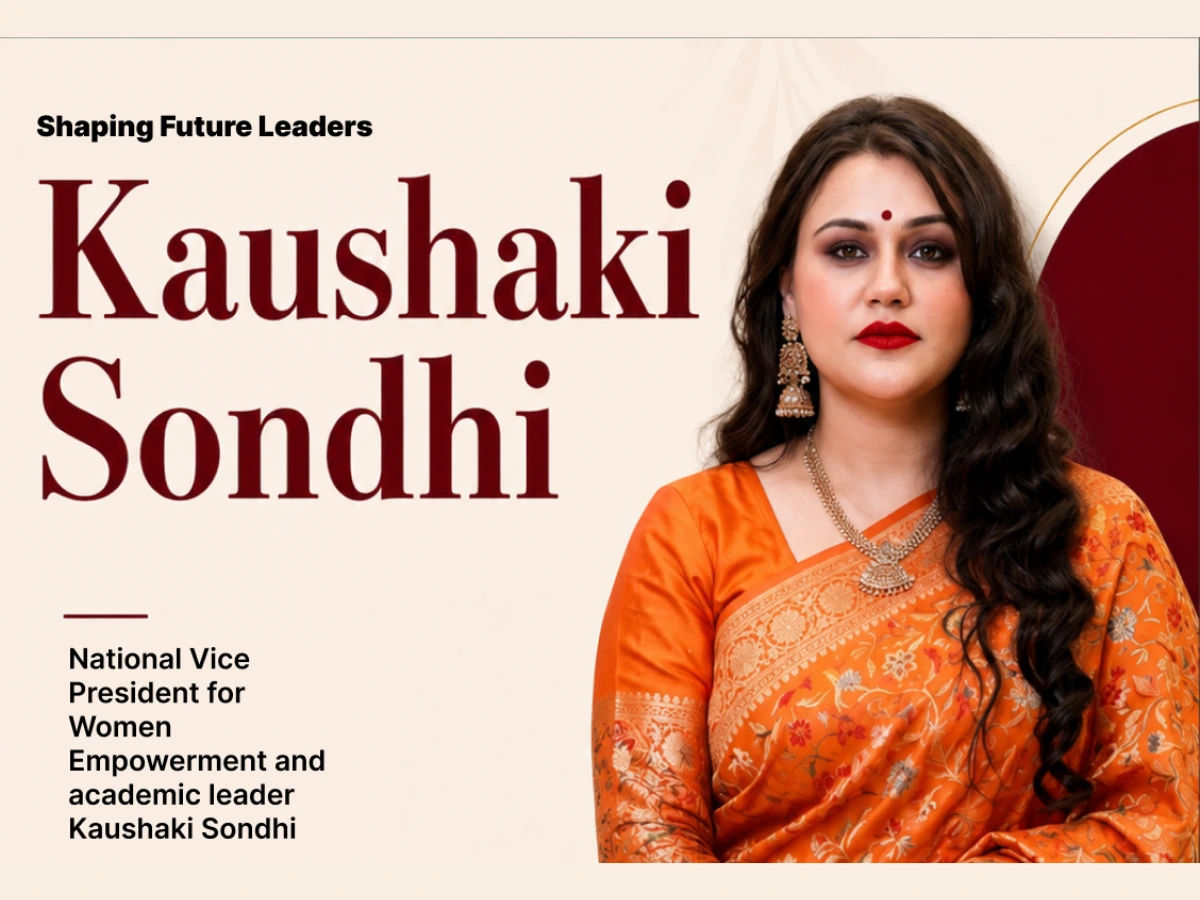
Kaushaki Sondhi
Expert in Personality Development Trainings
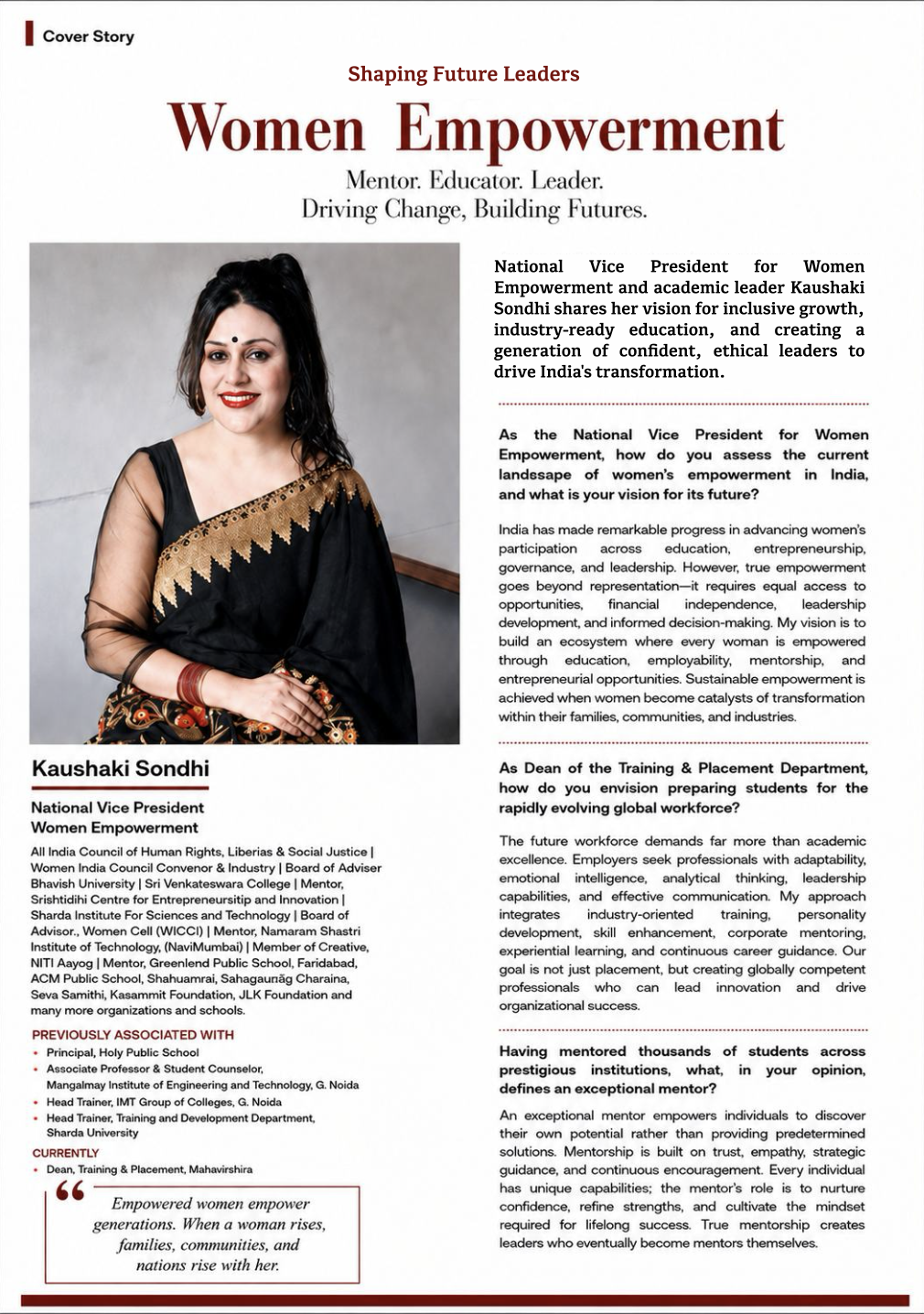
National Vice President Women Empowerment ALL INDIA COUNCIL OF HUMAN RIGHTS, LIBERTIES & SOCIAL JUSTICE| Women India council commerce & industry| Board of Advisor Bharath University|Sri Venkateswara College| Mentor at Symbiosis Centre for Entrepreneurship and Innovation | Bharath institute for science and technology | Board of Advisory Women Cell WICCI | Mentor at Narnaryan Shastri Institute of Technology Ahemdabad, | Mentor of Change Niti Aayoog | Mentor at Greenland public school, Farmana, ACM public School, Saharanpur, Safeguarding children seva samithi, Kosambhi foundation, Jax foundation and many more organizations and schools
Previous organizations
Principal Holy Public school
A. Professor and Student Counsellor Managalmay Institute of Engineering and Technology, G. Noida
Head Trainer at IIMT Group of colleges, G. Noida
Head Trainer Training and Development Department at
Sharda University
1. As the National Vice President for Women Empowerment, how do you assess the current landscape of women's empowerment in India, and what is your vision for its future?
India has made remarkable progress in advancing women's participation across education, entrepreneurship, governance, and leadership. However, genuine empowerment extends beyond representation—it requires equal access to opportunities, financial independence, leadership development, and informed decision-making. My vision is to cultivate an ecosystem where every woman is empowered through education, employability, mentorship, and entrepreneurial opportunities. Sustainable empowerment is achieved when women become catalysts of transformation within their families, communities, and industries.
2. As Dean of the Training and Placement Department, how do you envision preparing students for the rapidly evolving global workforce?
The future workforce demands far more than academic excellence. Employers seek professionals who possess adaptability, emotional intelligence, analytical thinking, leadership capabilities, and effective communication. My approach integrates industry-oriented training, personality development, aptitude enhancement, corporate mentoring, experiential learning, and continuous career guidance. Our objective is not merely to facilitate placements but to develop globally competent professionals capable of leading innovation and driving organizational success.
3. Having mentored thousands of students across prestigious institutions, what, in your opinion, defines an exceptional mentor?
An exceptional mentor empowers individuals to discover their own potential rather than providing predetermined solutions. Mentorship is founded upon trust, empathy, strategic guidance, and continuous encouragement. Every individual possesses unique capabilities; the mentor's responsibility is to nurture confidence, refine strengths, and cultivate the mindset required for lifelong success. True mentorship creates leaders who eventually become mentors themselves.
4. Your work spans education, personality development, human rights, and women empowerment. How do these diverse domains complement one another?
These domains are fundamentally interconnected. Education provides knowledge, personality development builds confidence, human rights safeguard dignity, and women empowerment ensures equitable participation in society. Collectively, they establish the foundation for inclusive and sustainable development. My professional philosophy has always been to create holistic transformation by integrating education with ethical leadership, social responsibility, and professional excellence.
5. Bridging the gap between academia and industry remains a significant challenge. What strategies do you advocate to address this issue?
The disconnect between academic curricula and industry expectations necessitates a comprehensive transformation in higher education. Institutions must integrate competency-based learning, corporate engagement, internships, live projects, simulation-based training, entrepreneurship, and multidisciplinary exposure into the academic ecosystem. Equally important is the development of soft skills, leadership competencies, digital literacy, and problem-solving capabilities. Graduates should leave institutions not only academically qualified but professionally equipped to excel in dynamic global environments.
6. As Mentor of Change under NITI Aayog and an advisor to numerous educational institutions, how have these leadership experiences shaped your professional philosophy?
These leadership opportunities have reinforced my conviction that meaningful change is achieved through collaboration, innovation, and inclusive leadership. Engaging with policymakers, academicians, entrepreneurs, and young innovators has broadened my perspective on national development and educational transformation. Leadership, in my view, is measured not by authority but by one's ability to create opportunities, empower individuals, and inspire sustainable impact.
7. Could you share a professional accomplishment that best reflects your leadership philosophy?
One of the most fulfilling aspects of my professional journey has been witnessing individuals transform through mentorship and personality development. Guiding students who initially struggled with confidence toward successful careers, leadership positions, and entrepreneurial ventures remains deeply rewarding. My leadership philosophy has consistently centered on enabling individuals to recognize their potential, overcome limitations, and create meaningful impact in society.
8. How do you ensure that you remain at the forefront of developments in education, employability, and leadership?
Continuous learning is fundamental to effective leadership. I actively engage in international conferences, academic research, policy dialogues, industry collaborations, faculty development programmes, leadership forums, and professional networks. Remaining connected with emerging trends enables me to integrate contemporary practices into education while ensuring that students receive globally relevant guidance and opportunities.
9. What is your long-term vision for India's higher education ecosystem?
My vision is to establish an education ecosystem that seamlessly integrates academic excellence with employability, innovation, entrepreneurship, ethical leadership, and lifelong learning. Institutions must evolve beyond conventional knowledge dissemination to become centers of innovation, research, skill development, and social transformation. Education should empower individuals to become responsible global citizens capable of addressing complex societal and industrial challenges.
10. You hold multiple leadership positions across academia, social organizations, and advisory boards. How do you successfully manage these diverse responsibilities?
Effective leadership requires clarity of purpose, strategic prioritization, disciplined execution, and collaborative teamwork. While my professional responsibilities span diverse organizations, they are united by a common mission—to empower individuals through education, leadership development, mentorship, and social impact. This shared purpose enables me to maintain focus while delivering meaningful contributions across every platform I serve.
11. What message would you like to convey to women aspiring to leadership positions across various sectors?
Leadership is earned through competence, resilience, integrity, and continuous self-improvement. I encourage every woman to invest in knowledge, develop professional expertise, embrace lifelong learning, and cultivate confidence in her abilities. Never allow societal limitations to define your aspirations. True leadership is about creating opportunities, inspiring others, and leaving a legacy of positive transformation.
12. How can educational institutions ensure equitable access to quality education for every learner?
Educational institutions must embrace inclusivity, technological advancement, affordability, accessibility, and learner-centric pedagogy. Equal opportunity extends beyond admission; it encompasses mentorship, career guidance, industry exposure, skill development, and holistic personality enhancement. Education should empower every learner, irrespective of socio-economic background, to achieve excellence and contribute meaningfully to society.
13. How has your association with national and international educational and social organizations influenced your worldview?
Collaborating with diverse institutions, universities, policy bodies, and social organizations has enriched my understanding of global educational practices and societal challenges. These experiences have reaffirmed that sustainable progress is driven by interdisciplinary collaboration, cultural inclusivity, ethical leadership, and knowledge sharing. They continue to inspire my commitment toward creating impactful educational and social initiatives.
14. Finally, what message would you like to share with the youth of India?
The future belongs to those who embrace lifelong learning, innovation, adaptability, and ethical leadership. Academic qualifications alone are no longer sufficient; success demands character, emotional intelligence, resilience, and the ability to continuously evolve. I encourage young minds to think beyond conventional boundaries, pursue excellence with integrity, and dedicate their knowledge and talents toward building a progressive, innovative, and globally respected India.